Building a Learning Community Around Get Kids Ready
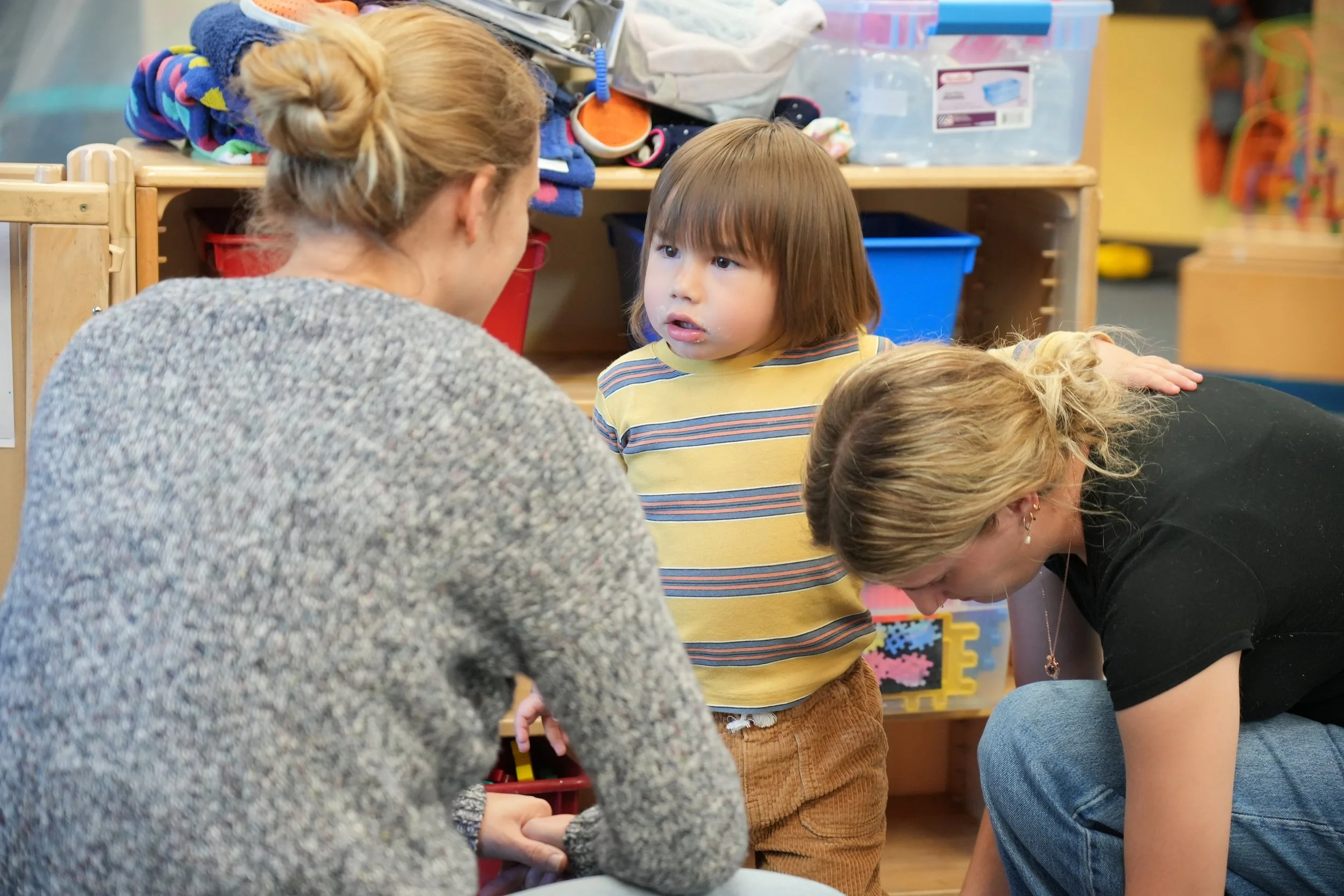
As Wisconsin prepares for the rollout of Get Kids Ready, a new state-funded school readiness initiative, child care providers across the state are working to understand what the program means for their classrooms, their families and their day-to-day operations. With a new program comes new opportunities – but also new challenges.
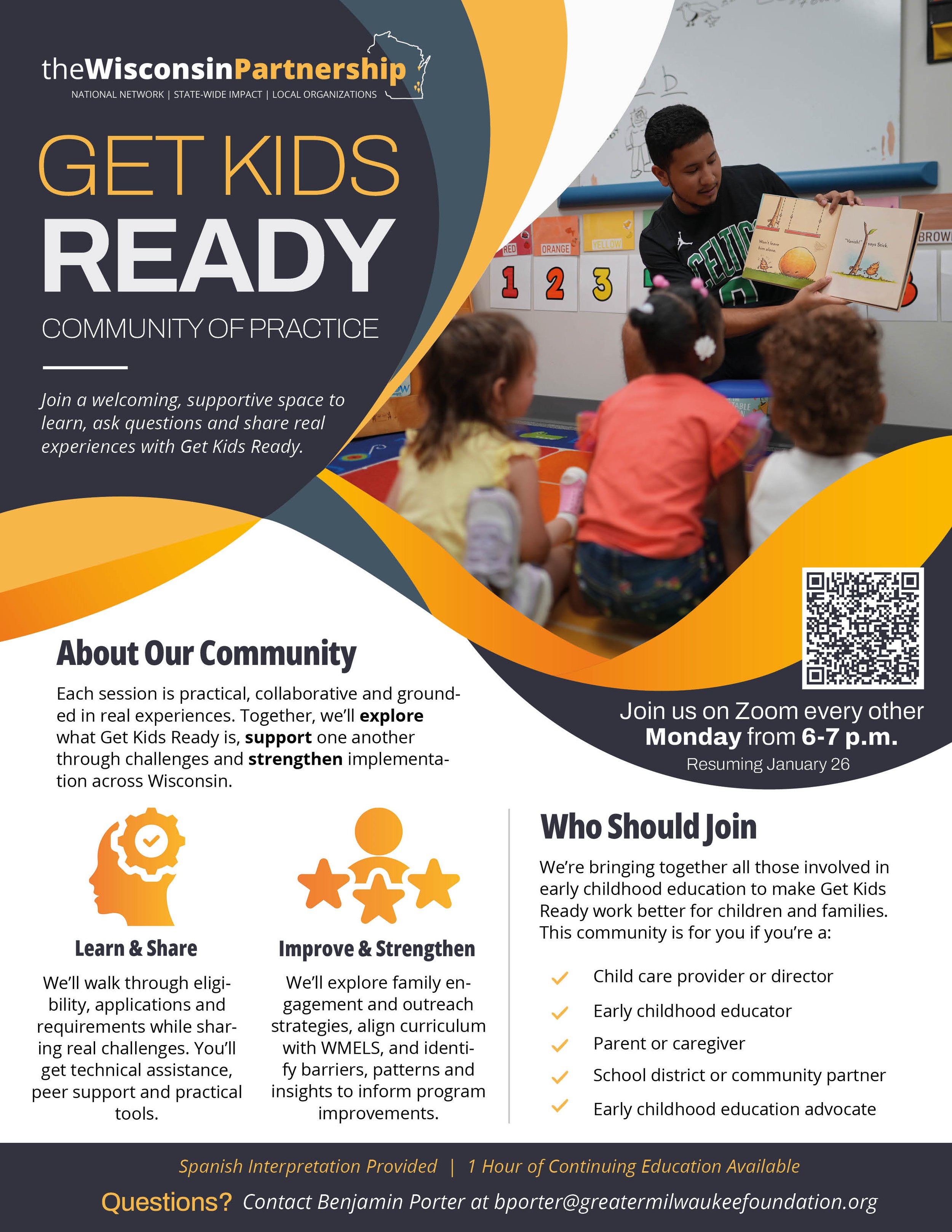
To help meet that need, the Wisconsin Partnership and Milwaukee Succeeds have launched the Get Kids Ready community of practice, a biweekly, statewide learning space designed to support providers and partners as the program takes shape.
The first session, held on January 5, drew 76 participants – the majority of whom were child care providers. The strong turnout and volume of questions made one thing clear: There is a real need for shared learning, clear information and peer support as Get Kids Ready moves from policy to practice.
“Based on the volume of attendees and the volume of questions, there is obviously a need for this,” said Benjamin Porter, state director of the Wisconsin Partnership. “There is definitely some confusion around the program.”
According to Yimma Davila-Castro, the early childhood education (ECE) manager at Milwaukee Succeeds, misinformation is already circulating, making trusted, provider-centered spaces even more important.
What is Get Kids Ready?
Starting this year, Get Kids Ready will be a free school readiness program for 4-year-olds enrolled in participating child care centers. The program is part of a broader investment in ECE included in Wisconsin’s 2025 state budget, which marked a major step in supporting the ECE sector. Backed by $66 million in state funding, Get Kids Ready is designed to help children develop the skills they’ll need as they move into traditional school settings – from academic and social skills to everyday independence.
Through Get Kids Ready, qualified child care providers will receive state funding for the time children spend in the program, making that portion of the day free for families. The goal is to expand access to high-quality school readiness instruction while easing costs for parents and caregivers.
Families and providers can find more information about the program, including eligibility and participation details, on the Wisconsin Department of Children and Families (DCF) website: https://dcf.wisconsin.gov/getkidsready
What is a Community of Practice?
While Get Kids Ready is meant to benefit children and families, it’s a new program that wasn’t developed with full input from the providers who will be bringing it to life. That reality has created uncertainty – particularly around equitable access, eligibility, application requirements and day-to-day implementation.
During the first meeting, providers openly shared questions, concerns and early experiences. They also began exchanging resources, including examples of curriculum already in use, signaling a strong desire for collaboration. This is the heart of a community of practice – a shared space where people can learn together, share their resources and support one another.
The Get Kids Ready community of practice is intended to be a trusted, cooperative learning space where participants can build a shared understanding of how Get Kids Ready works, access technical assistance and practical guidance, share resources and lessons learned, identify barriers, and elevate common questions and challenges. The goal is not only to help providers navigate the program, but also to provide feedback that will improve and strengthen the program over time.
What’s next?
The community of practice meets biweekly at 6 p.m. on Zoom, with the next session scheduled for January 26. (Interested partners, parents and providers can register here.) Meetings will continue through the first half of the year, with the potential to extend if participants continue to find the space useful.
The community will offer one hour of continuing education through the Wisconsin Registry, providing an added benefit for early childhood educators participating in the series. Spanish interpretation will also be available, with support from ECE Ambassador Arati Hernandez, to ensure the space is accessible to even more providers and families.
Sessions are facilitated by Benjamin Porter and Yimma Davila-Castro. Over time, they hope to bring in additional resources, including subject matter experts and practical tools to help participants navigate implementation and effectively support families.
As Get Kids Ready continues its rollout, the community of practice will remain focused on what providers need most: clear information, shared problem-solving and a voice in shaping how the program works on the ground. For those navigating Get Kids Ready – or simply trying to make sense of it – this learning community is designed to ensure no one has to do it alone.