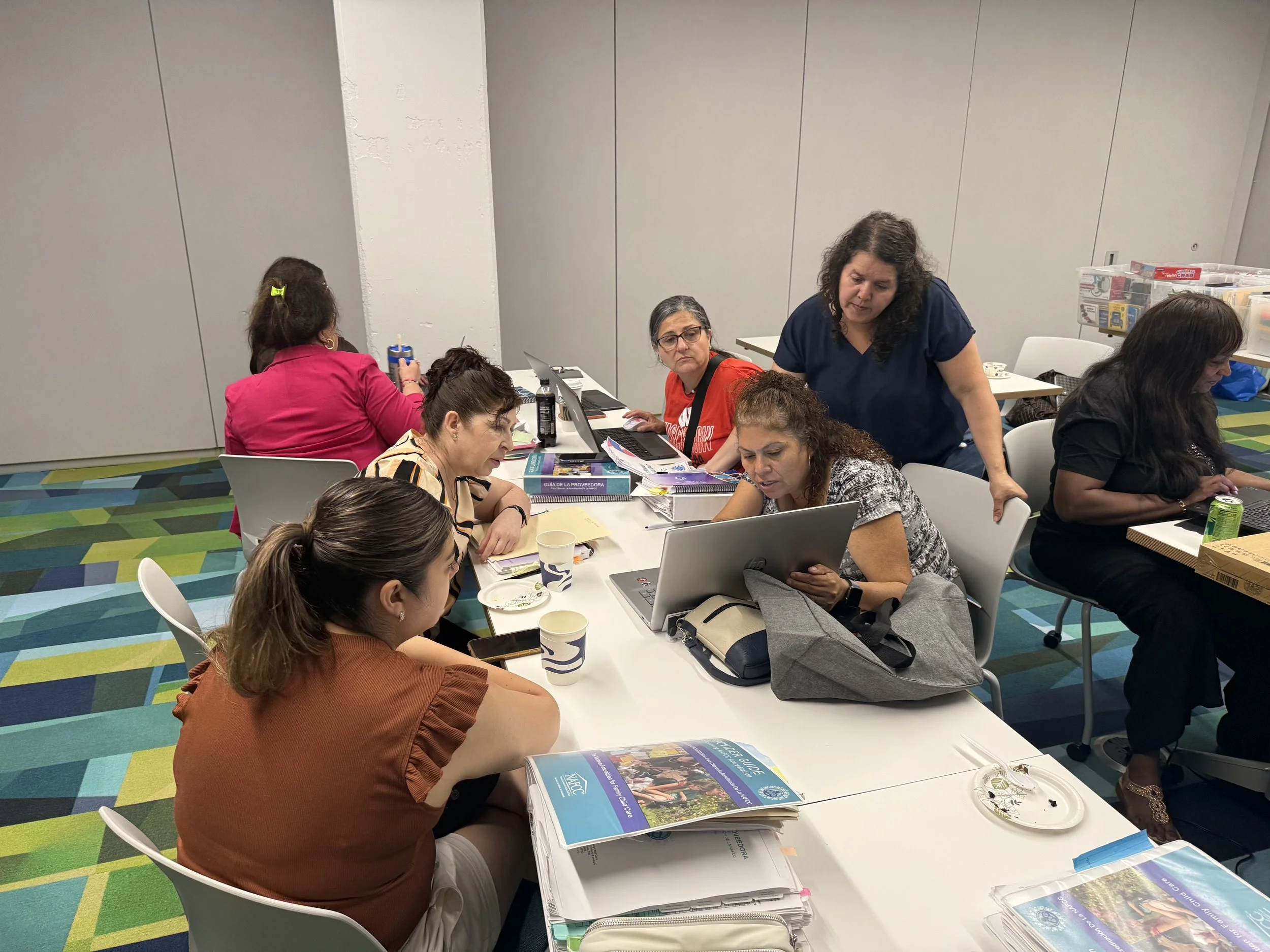
For many early learning programs, accreditation is both a dream and a daunting challenge. It demonstrates a strong commitment to high-quality care, but the path to get there can be difficult – especially for programs who are already balancing staffing shortages, operational demands and the daily work of caring for young children.
That’s where the Accreditation Facilitation Project Closeout (AFPC) came in. Building on an earlier initiative that introduced programs to the accreditation process, this project provided the support needed to finally move them across the finish line.
Over the course of nine months, Milwaukee Succeeds supported a cohort of nine early childhood education (ECE) programs, providing targeted coaching, financial support and a caring community of peers. By the end of the project, all nine programs had successfully submitted their accreditation applications – a major achievement in a process that often takes years.
But the numbers only tell part of the story. Behind each application was a program director determined to strengthen their work, coaches who had firsthand experience with the process and a network of support designed to make accreditation possible.
A Path Toward Stronger Programs
Accreditation is more than a credential. It’s a chance to examine – and elevate – how a program cares for its children, engages its families and contributes to its community.
Early learning programs pursuing accreditation spend months reviewing their policies, documenting classroom practices and building a comprehensive portfolio that demonstrates their high-quality standards. The process typically begins with a six-month self-study period, followed by an application, portfolio submission and an in-person site visit from an assessor who observes their classrooms and interviews their program leaders.
The goal is continuous improvement. Programs examine how they support children’s learning and development, how they collaborate with families and how they create safe, nurturing spaces. Accreditation also connects educators to a broader network of professional learning, research and best practices.
But reaching that point requires time, organization and resources – something that can feel out of reach for many programs. The AFPC was designed to bridge that gap.
Coaching That Builds Confidence
At the heart of the project were four coaches who provided 304 hours of technical assistance to our participating programs. Each coach was an experienced early childhood educator who had previously achieved accreditation with their own program.
That lived experience mattered. For program leaders navigating the process for the first time, it was powerful to learn from someone who had already done it.
“We got the confidence and motivation to have coaches that look like us and speak like us who were accredited,” one participating program shared. “It was a huge piece to just look at someone and see that it can be done. It is possible.”
Two of the coaches were bilingual and able to support programs in Spanish, an important element for providers serving Milwaukee’s Latine community.
Beyond sharing their experience, coaches helped translate the complex language of accreditation standards into manageable steps. Rather than overwhelming programs with a long list of requirements, they worked side by side with directors to tackle the process piece by piece.
“In the beginning they said, ‘I don’t know if I can do this,’” one coach recalled. “I said, ‘It’s going to be OK. We’re going to break it down.’ And we did chunks at a time. Building that relationship is important in everything we do. What do they want, what do they stand for and what do they believe.”
That approach made a difference.
“If it wasn’t for the coaching, my program wouldn’t have gotten to the point to submit our application,” another program leader said. “I’ve always wanted this as a goal for myself, and the push from my coach got me into motion.”
The project reinforced an important lesson: Providers make progress when they have someone in their corner. That insight continues to shape Milwaukee Succeeds’ work, informing the coaching model currently used in our Get Kids Ready Milwaukee Cohort.
Breaking Down a Complex Process
Accreditation standards can feel overwhelming, especially for directors juggling multiple responsibilities. Our coaches helped participants unpack those standards and recognize that many of the required practices were already happening in their classrooms. Often, they didn’t need to start from scratch but rather improve their existing methods, documenting and clearly communicating them through the application materials.
“Standards language can be complex,” one coach explained. “I had to help them understand that they often had the practices in place and just needed refinement, communication and evidence. [I provided] a lot of motivation and encouragement.”
The process became more manageable when broken into smaller pieces. The coaches helped review policies, draft documentation, organize portfolios and ensure that these programs had all the paperwork ready for submission.
Rather than tackling the entire application at once, programs moved forward step by step – building momentum and confidence along the way.
Providing Resources and Materials
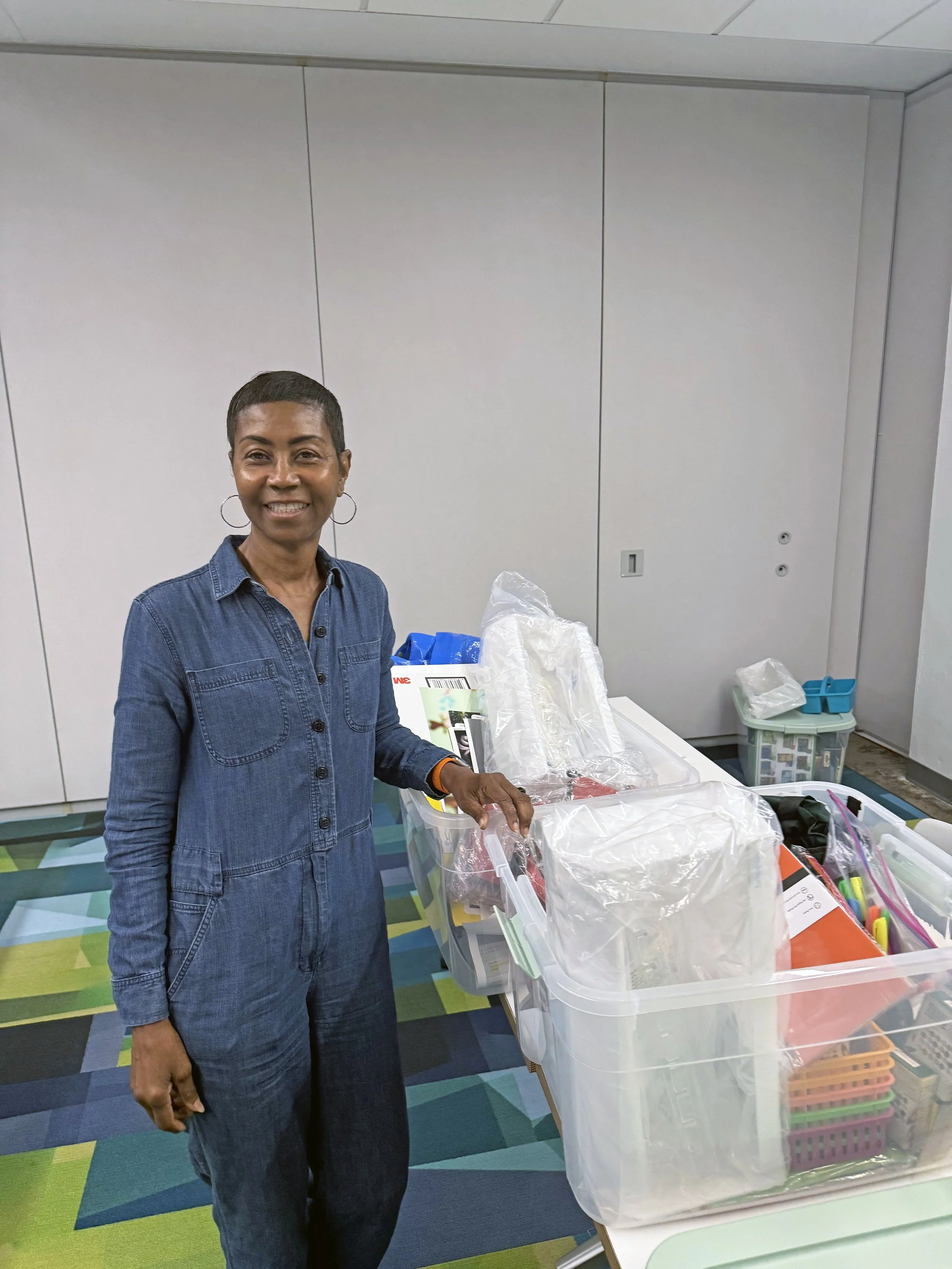
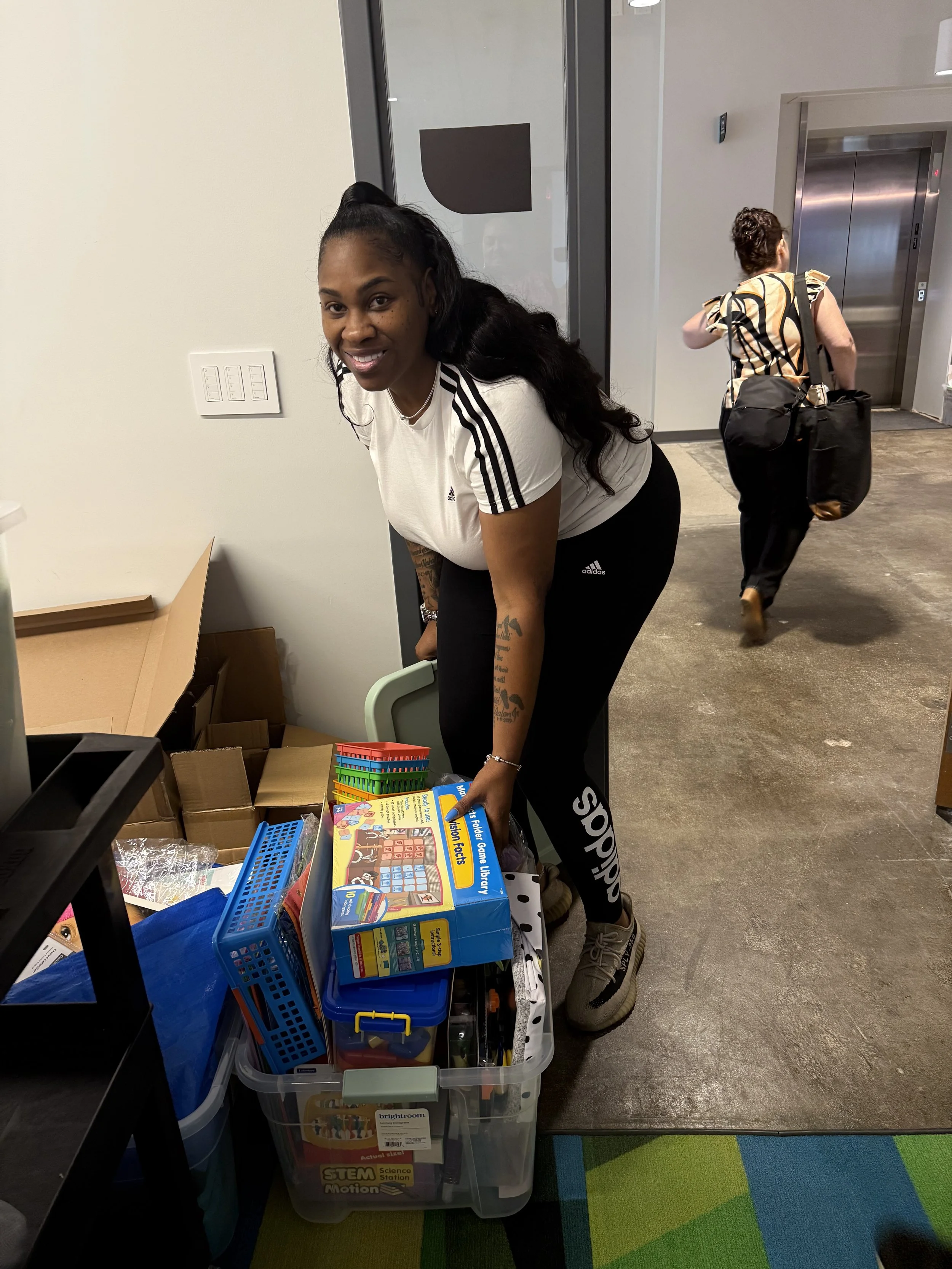
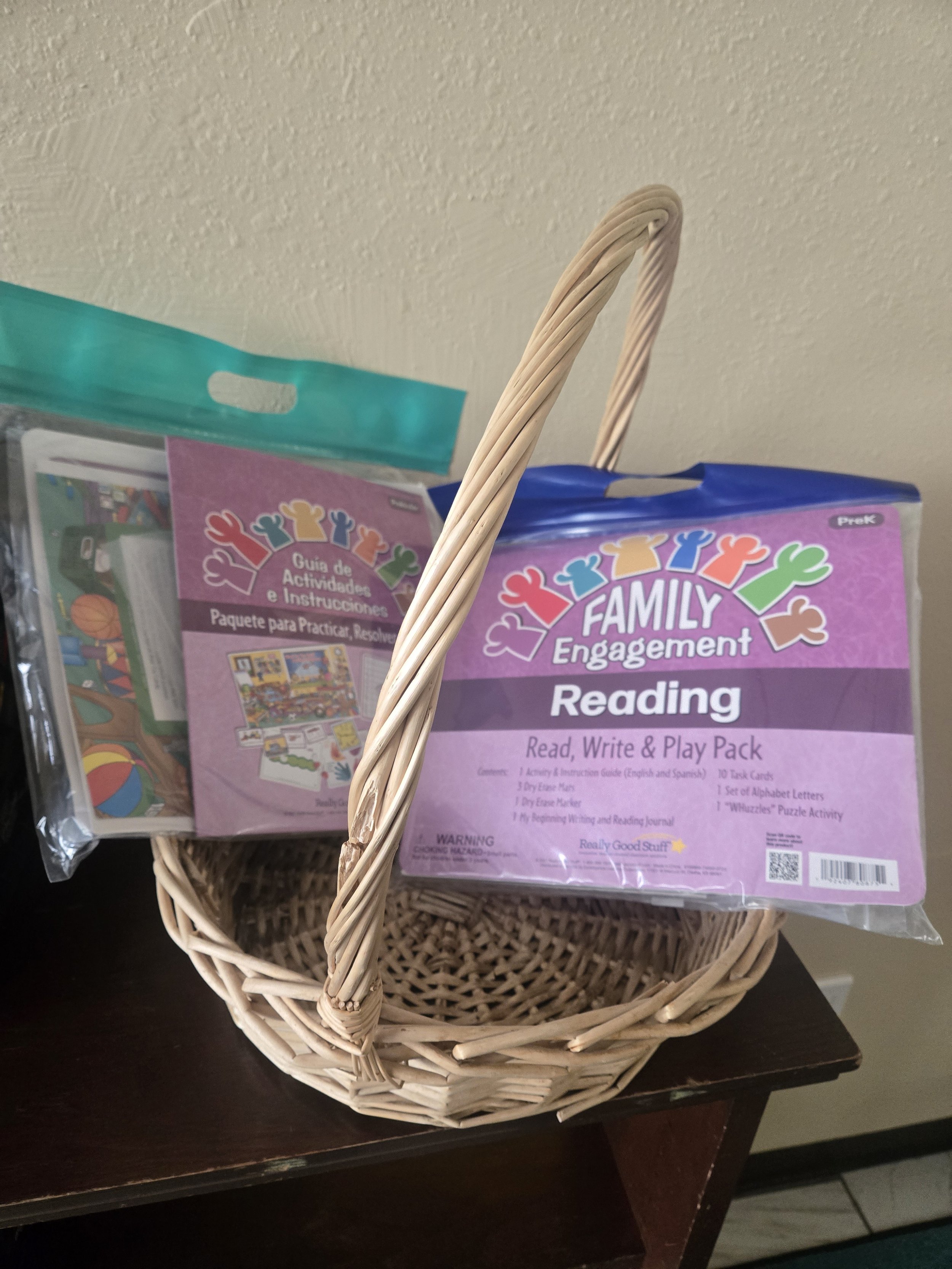
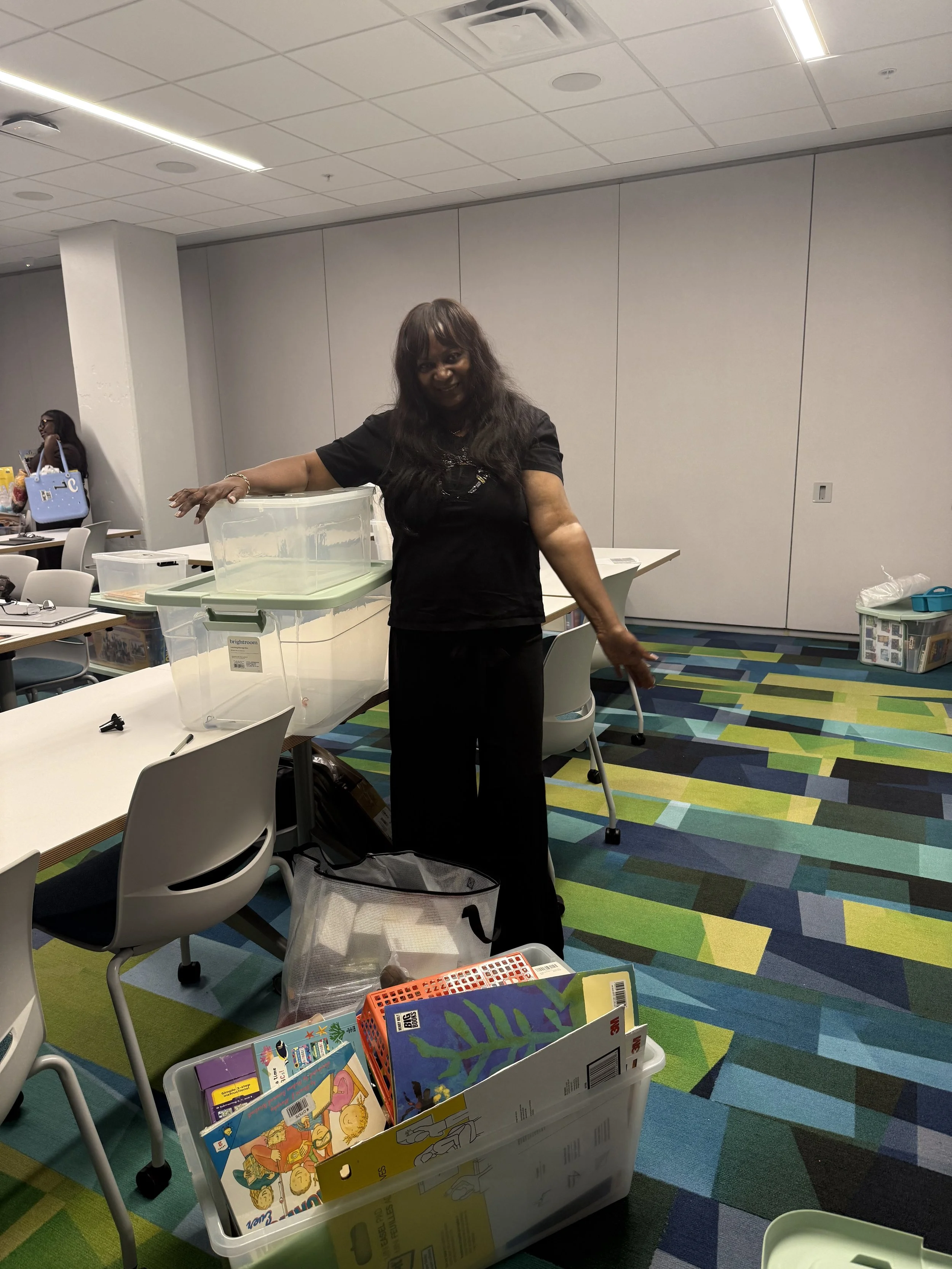
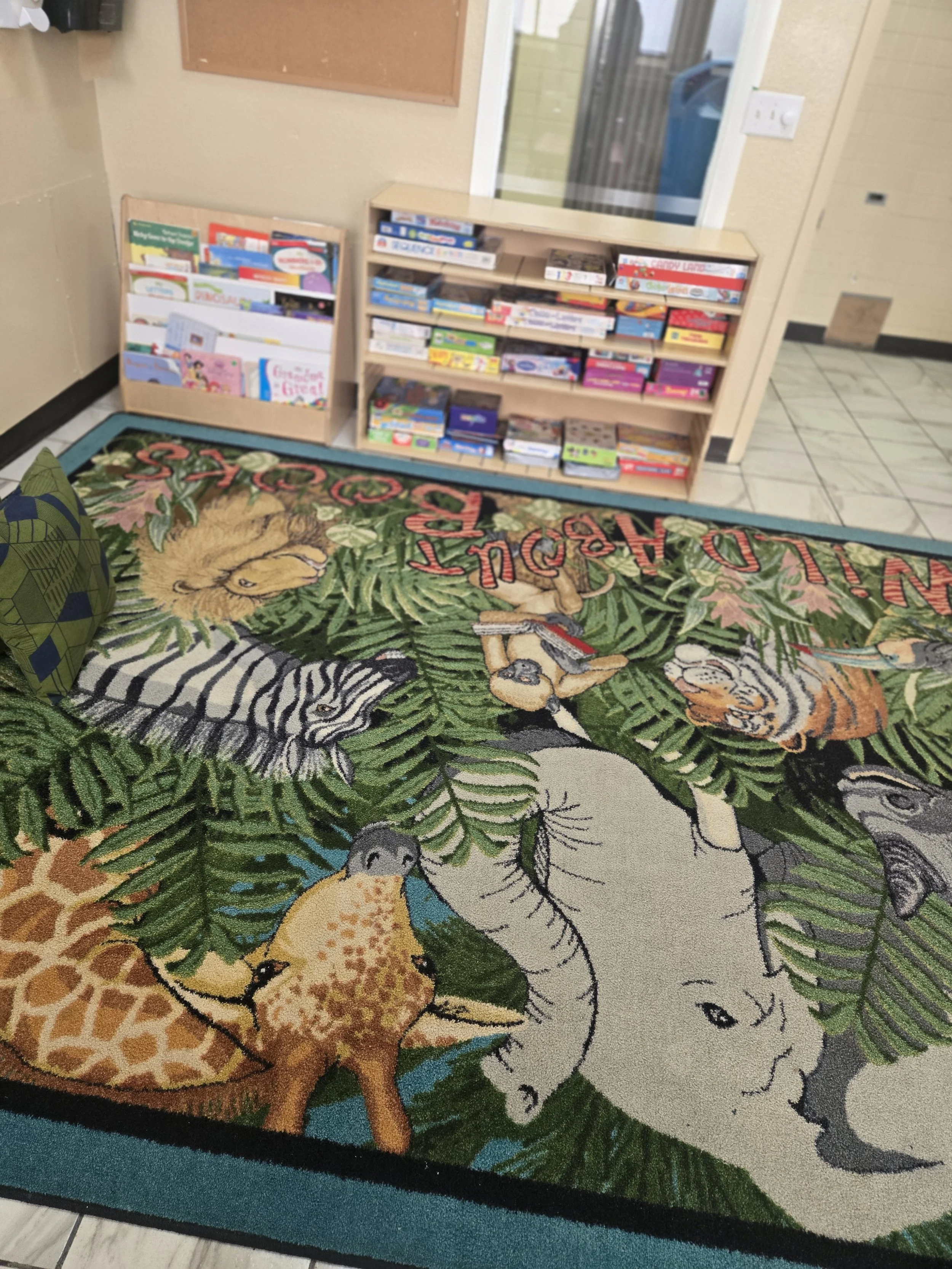
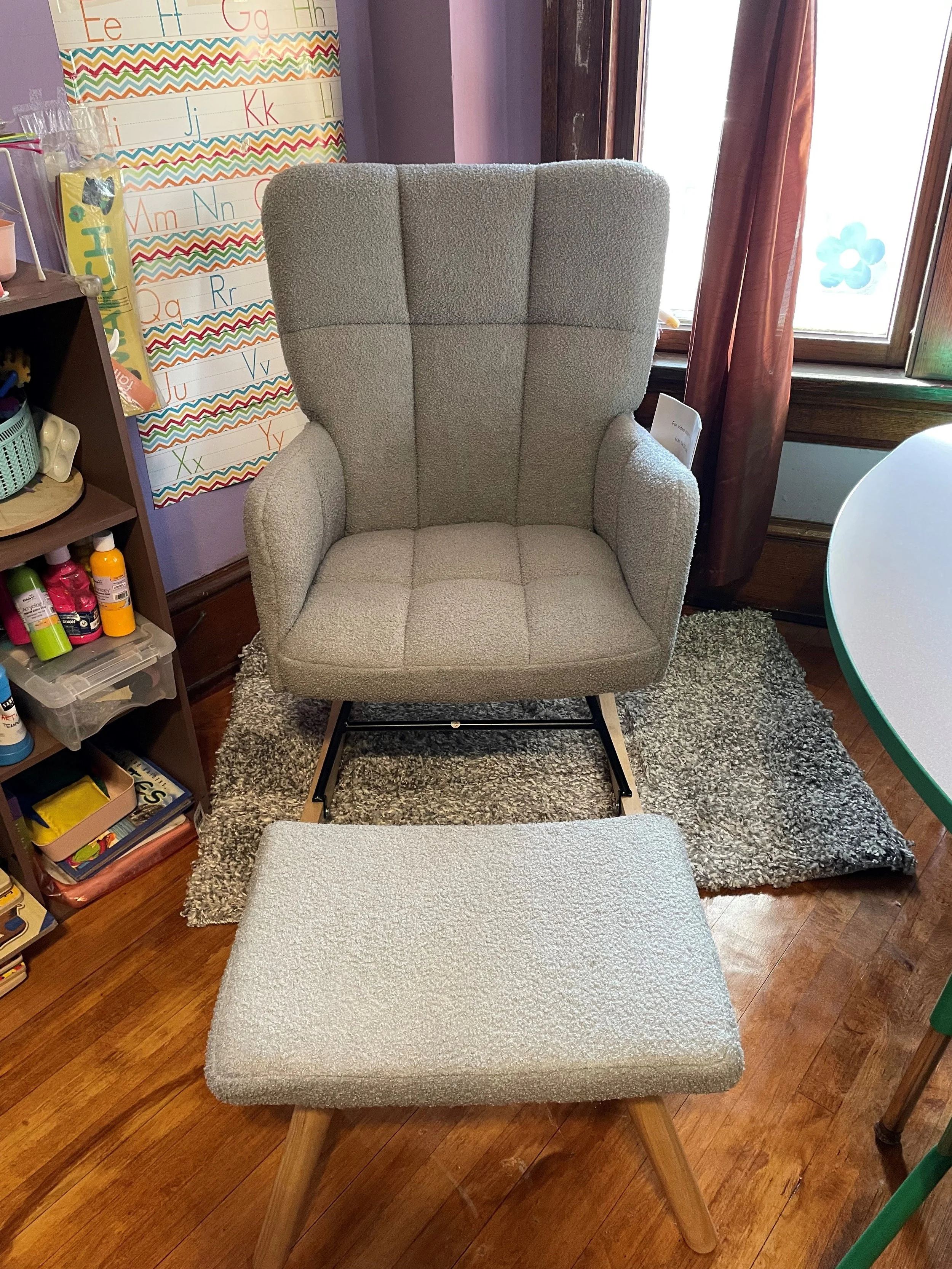
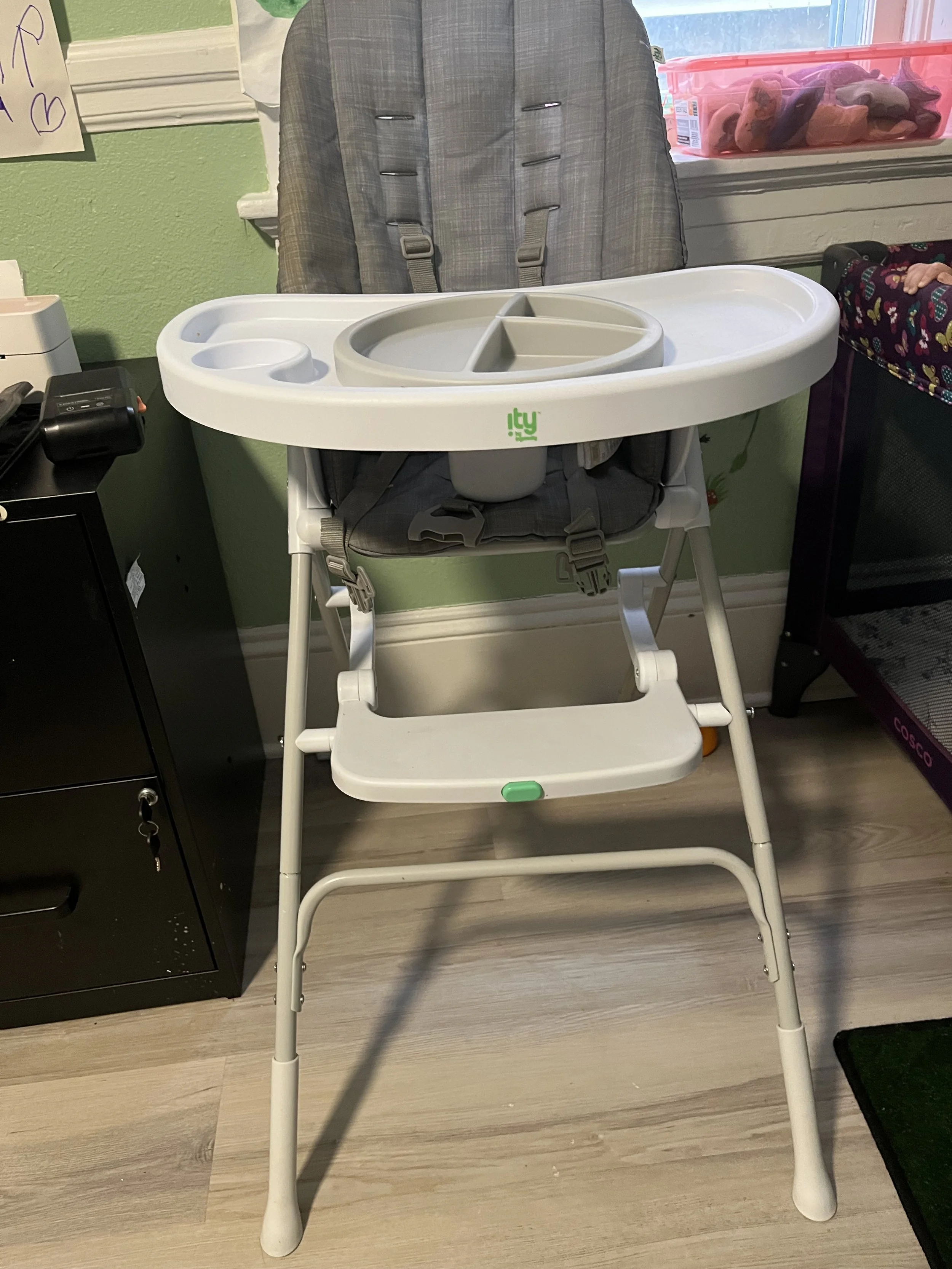
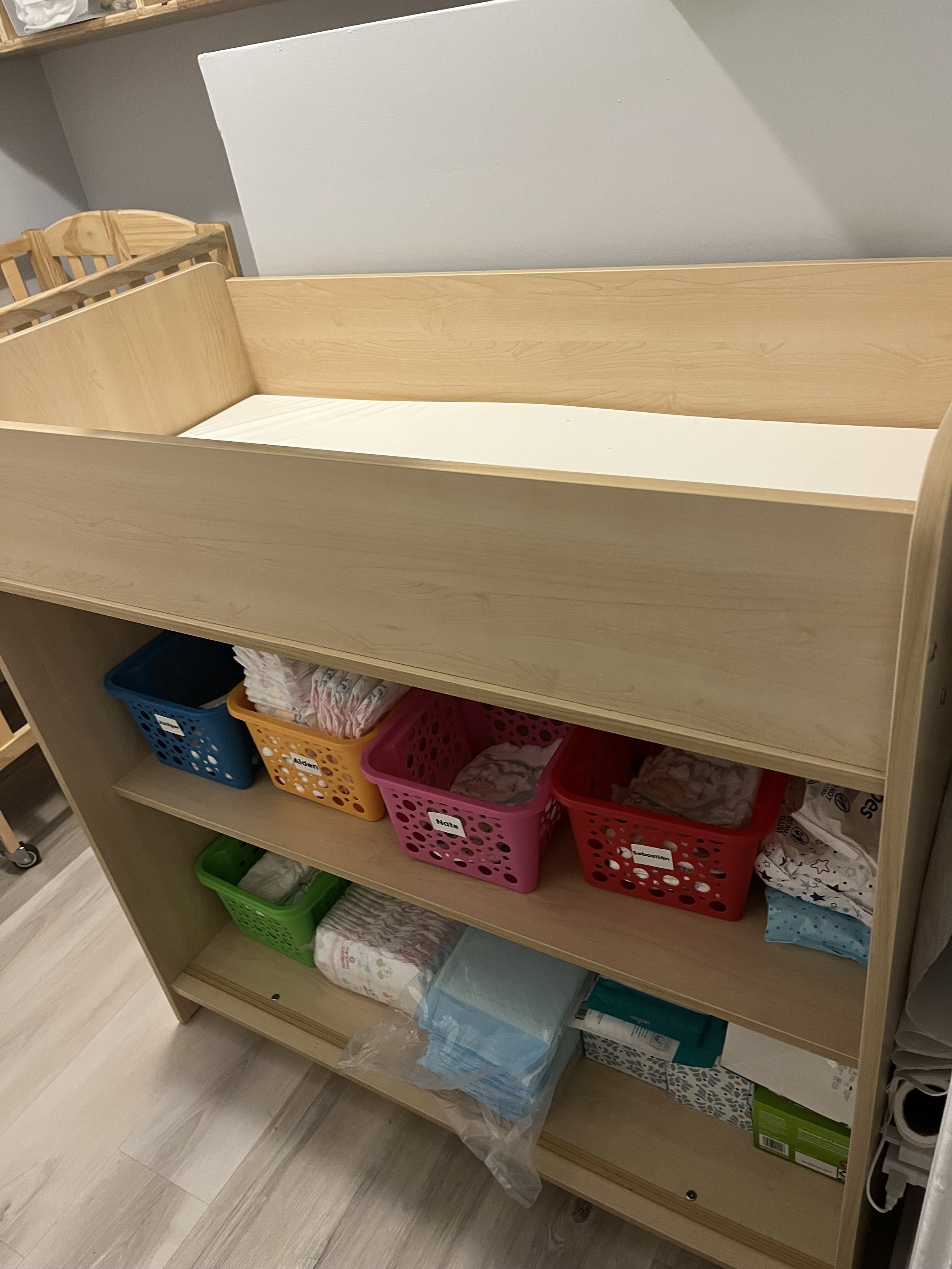
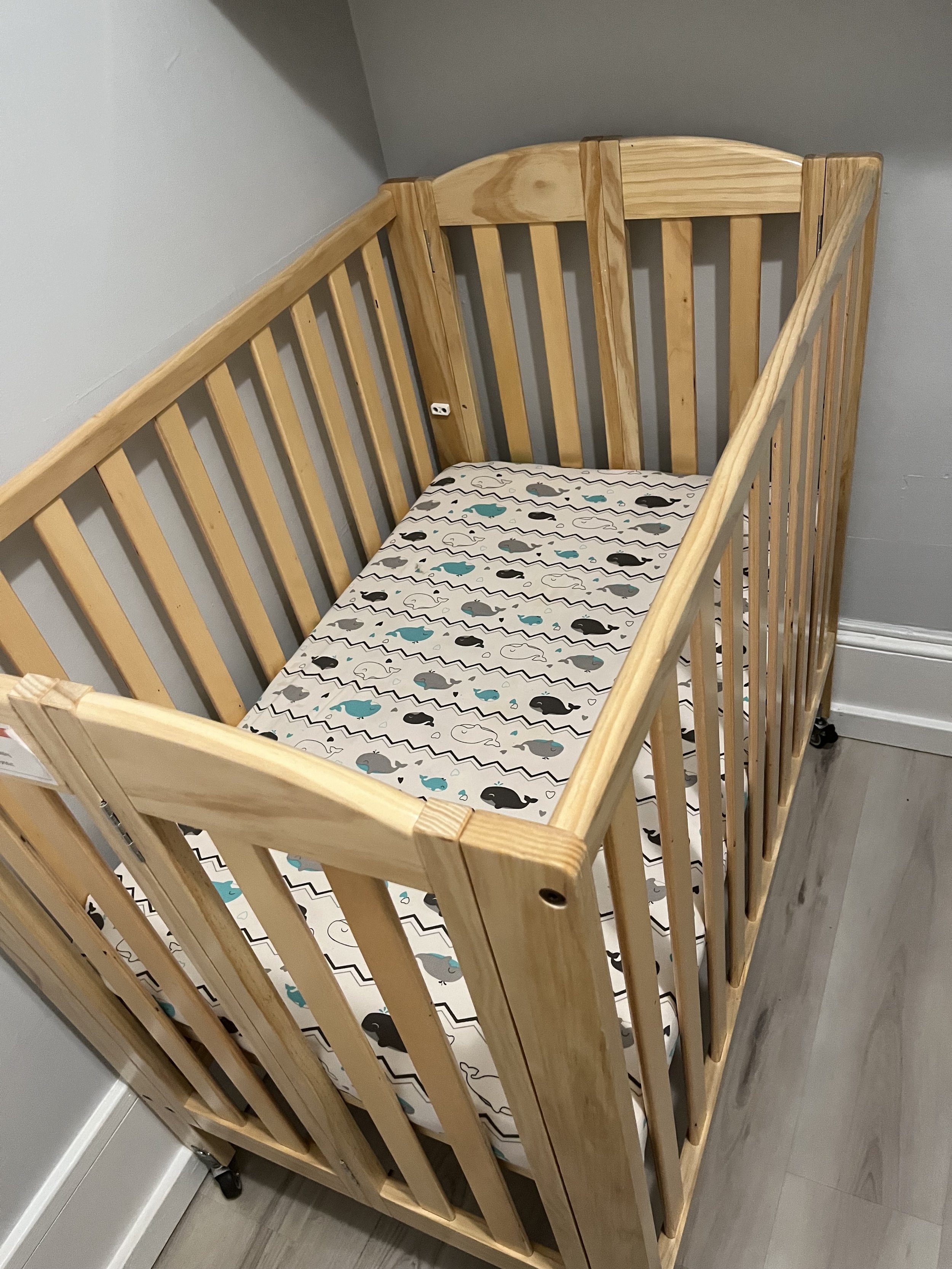
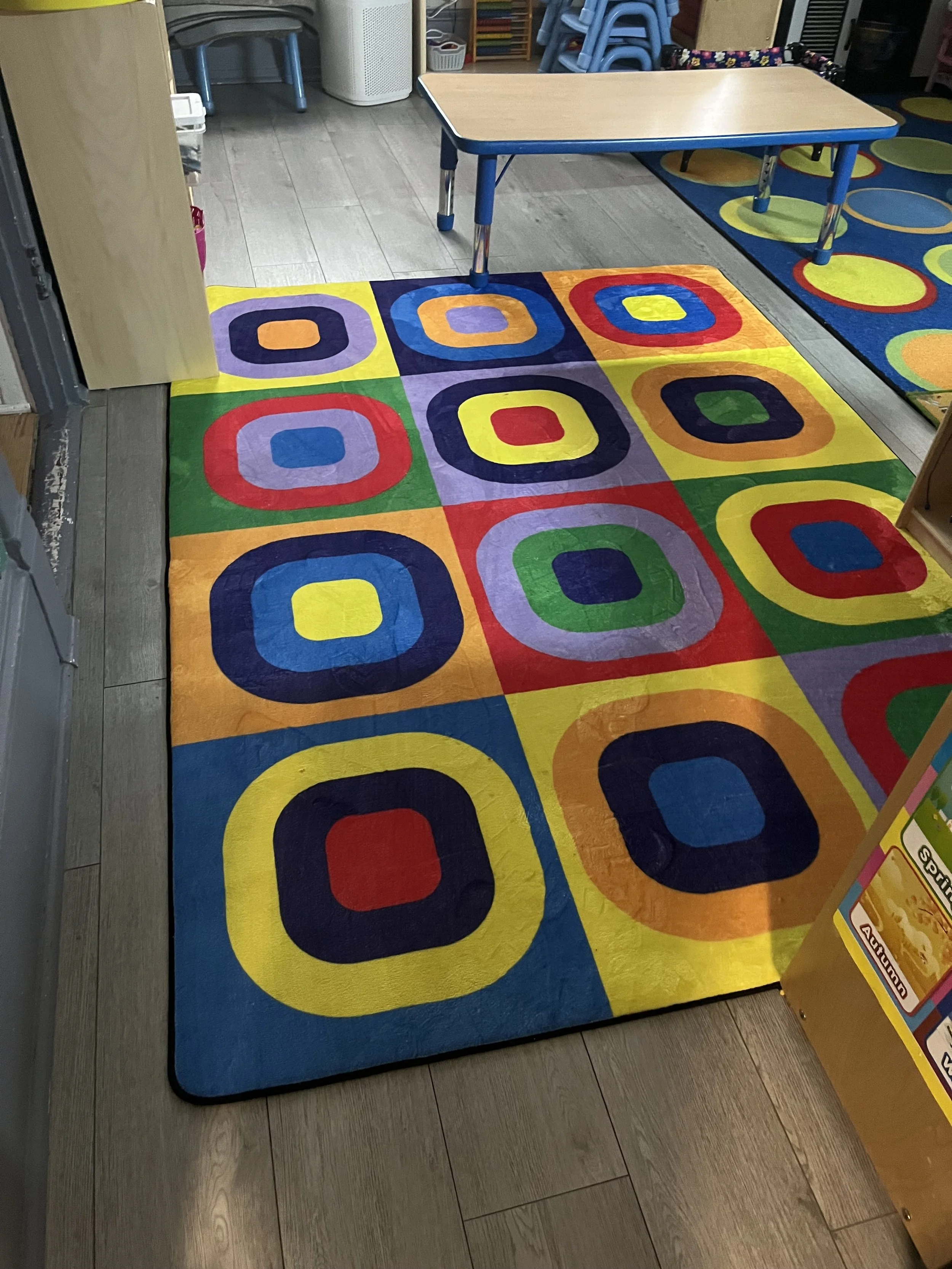
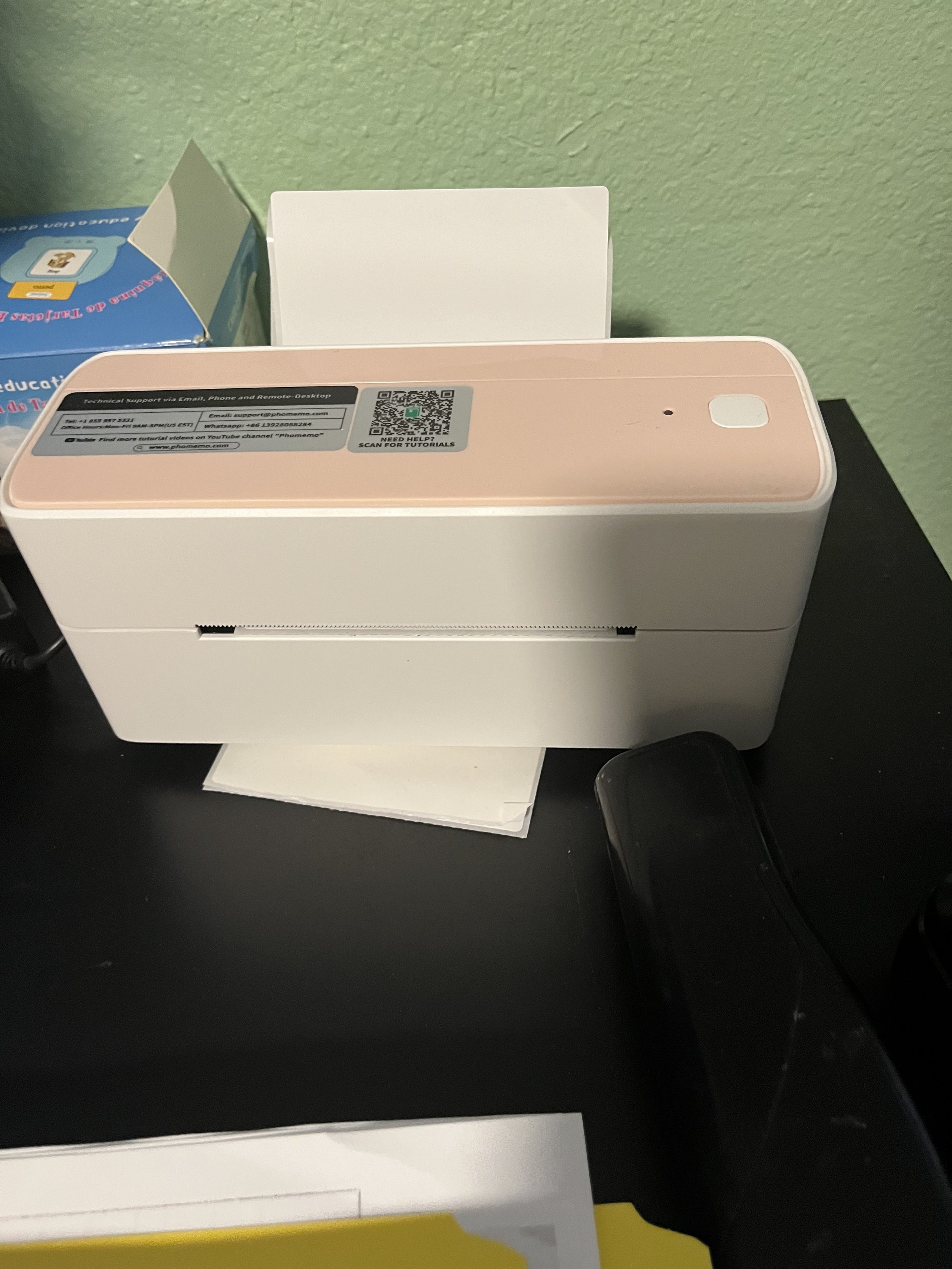
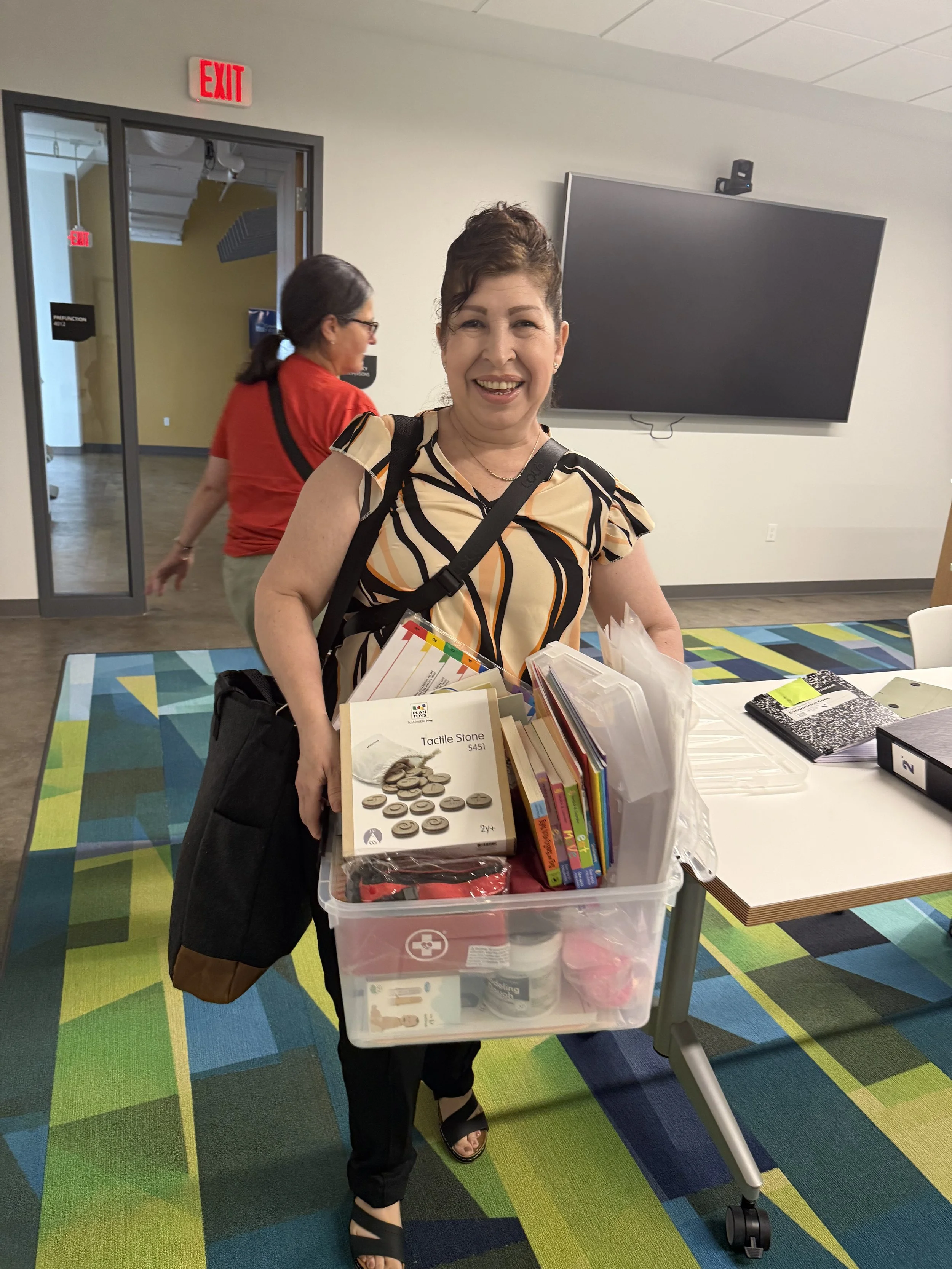
Alongside coaching support, Milwaukee Succeeds also provided financial assistance to help these centers meet the accreditation requirements. In total, $36,430 was invested in materials that strengthened the quality of participating programs. Those purchases ranged from curriculum and classroom supplies to health-related requirements like tuberculosis tests and physicals.
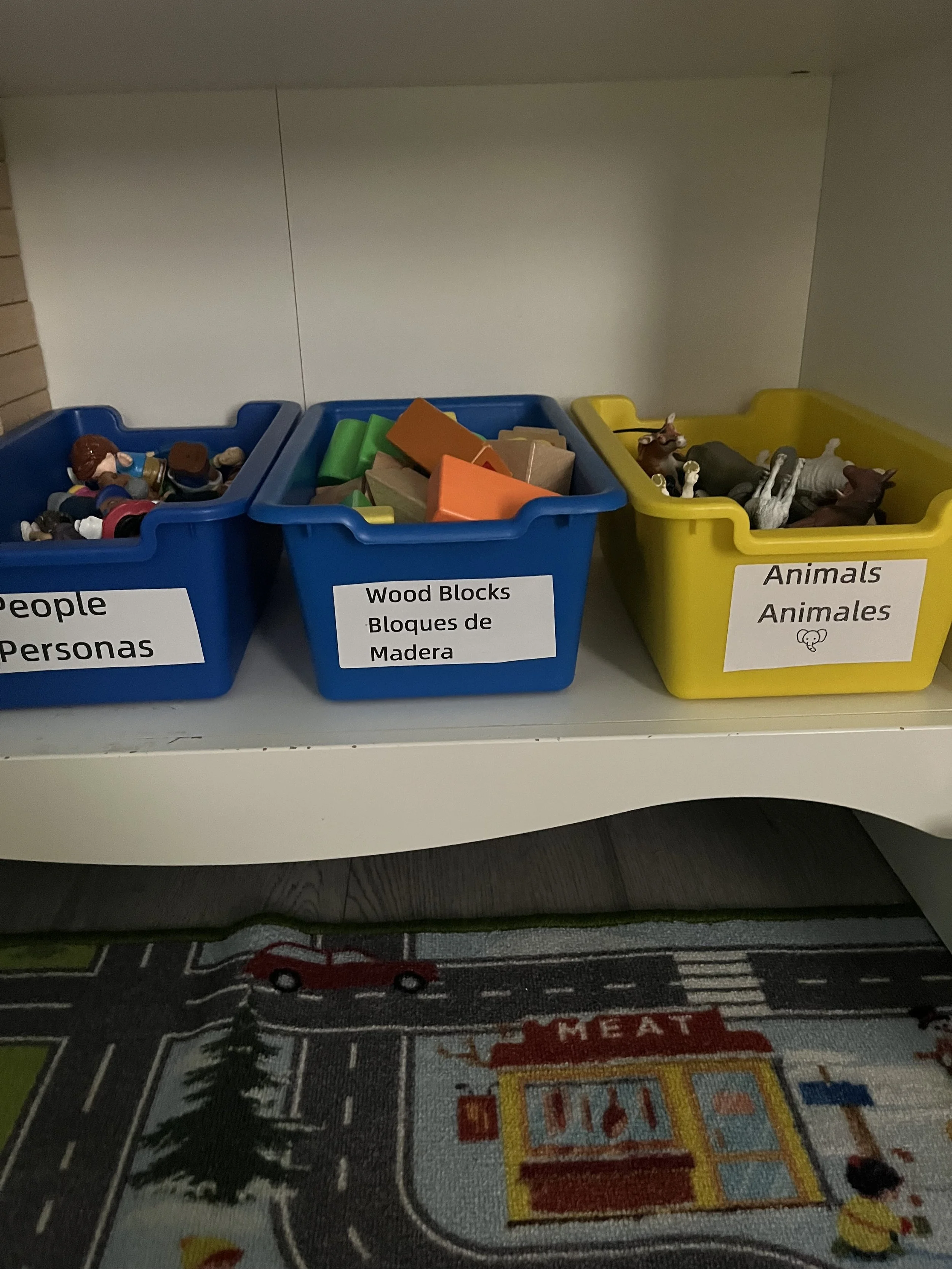
For some programs, the support also meant making small but meaningful improvements to their learning environments. One program needed a private space for lactating mothers, so funding was used to purchase a comfortable chair and a changing table. Another program invested in a label maker to properly organize their classroom materials.
The impact was immediate. Instead of handwritten notes on bins, classrooms now featured clearly labeled materials and more polished learning spaces. For providers who take pride in their programs, these upgrades reinforced the professionalism and care they bring to their work every day.
Building a Community of Support
Beyond the technical assistance and materials, many participants pointed to something less tangible but equally important – the relationships built throughout the project. The AFPC intentionally centered communication and trust. Coaches and programs stayed connected throughout the nine months, working together to solve challenges and celebrate progress.
“The closeout was based on relationships and communication,” a member of the project team explained. “We built a community of support and listened to what the programs needed.”
That sense of community helped programs push through moments of uncertainty and stay focused on their long-term goals.
“With targeted support, more programs can successfully achieve accreditation,” another project team member noted. “If you build the right relationships and community of folks, that’s what really accelerates the work.”
Lessons for the Future
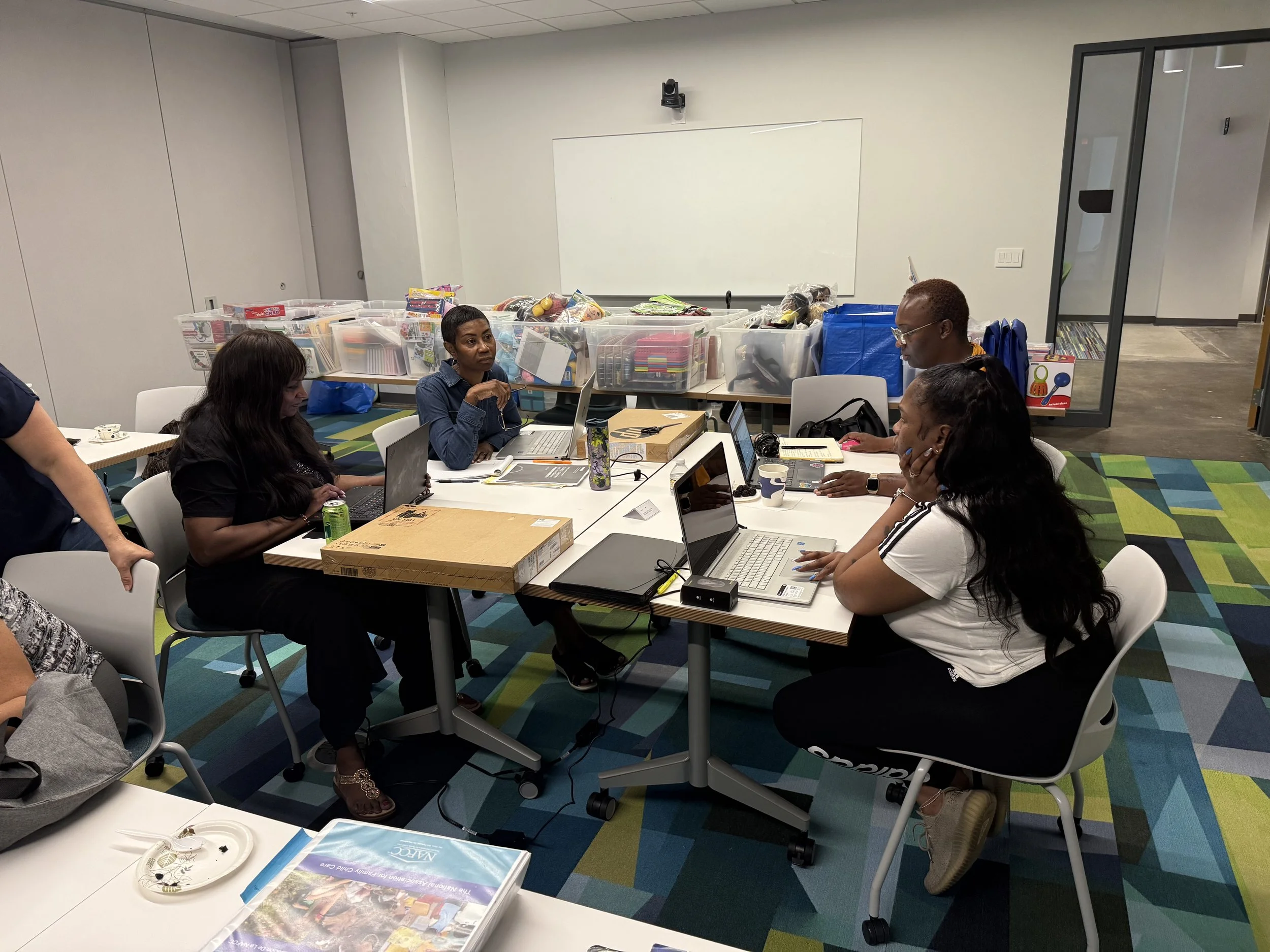
Like any initiative, the project also offered lessons for improvement. Participants suggested additional guidance around organizing continuing education hours, a requirement that can often be difficult to track. Others expressed interest in more opportunities to connect with their coaches, particularly during the day when their classrooms were active. The coaches themselves noted that the timeline felt condensed, requiring them to provide many resources in a short period of time while also adjusting for the changing accreditation standards.
Still, these challenges were small compared with the program’s overall success.
Perhaps the most common feedback was a simple question: What happens next? Programs expressed hope that the support they received would continue and that additional programs would have the opportunity to participate.
An Exciting Milestone
When the project began, each of these programs was already working toward accreditation. What they needed was the final push. Nine months later, every program in the cohort has now submitted its accreditation application.
For the directors who poured months of work into their portfolios and classroom improvements, that moment represents more than a stack of paperwork. It reflects their commitment to providing the highest-quality care for their children and families. It also demonstrates what’s possible when programs receive the resources, relationships and guidance they need to succeed.
The AFPC may have concluded, but its impact continues – in stronger early learning programs, more confident educators and a growing community committed to quality ECE.