
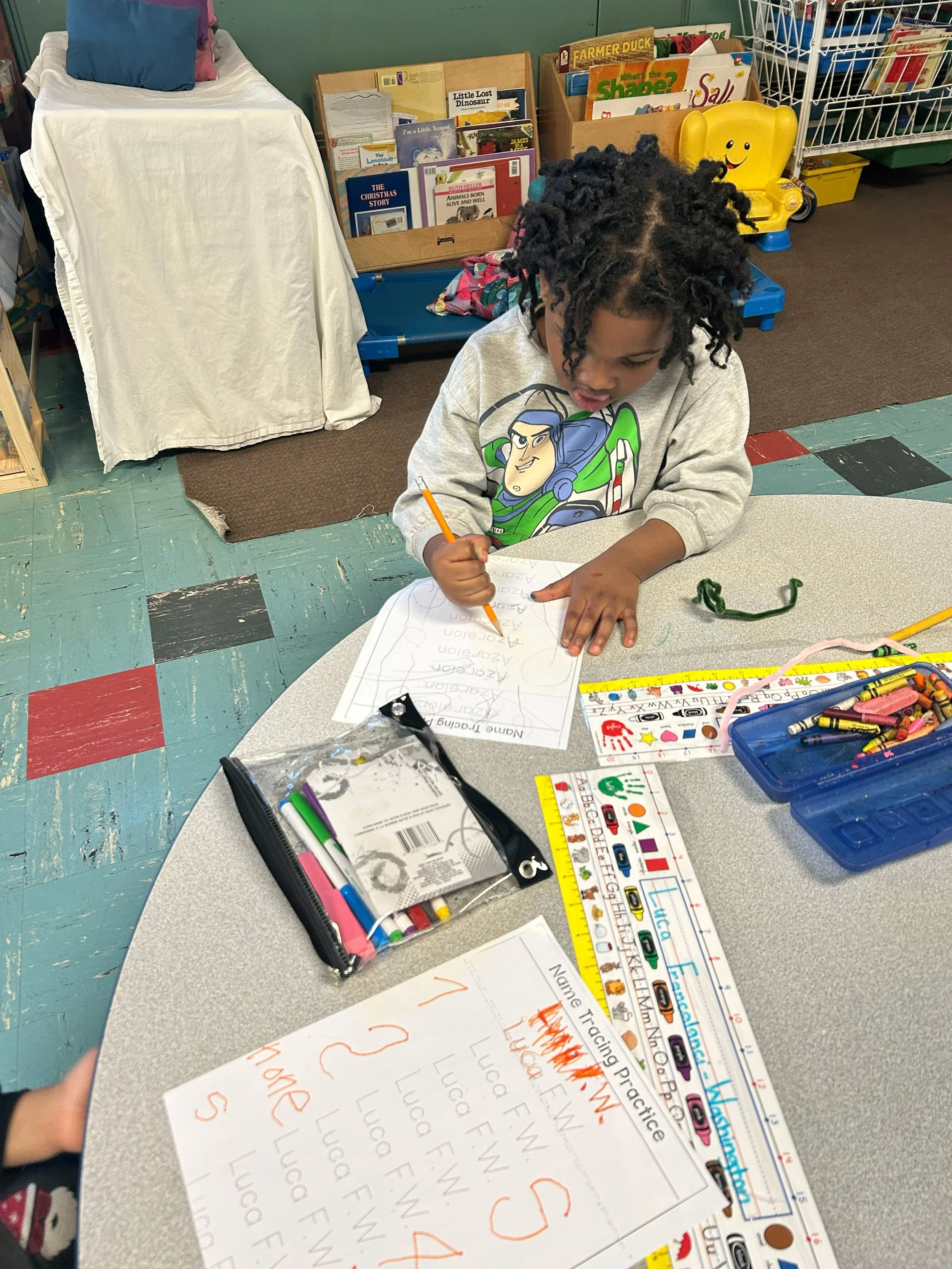
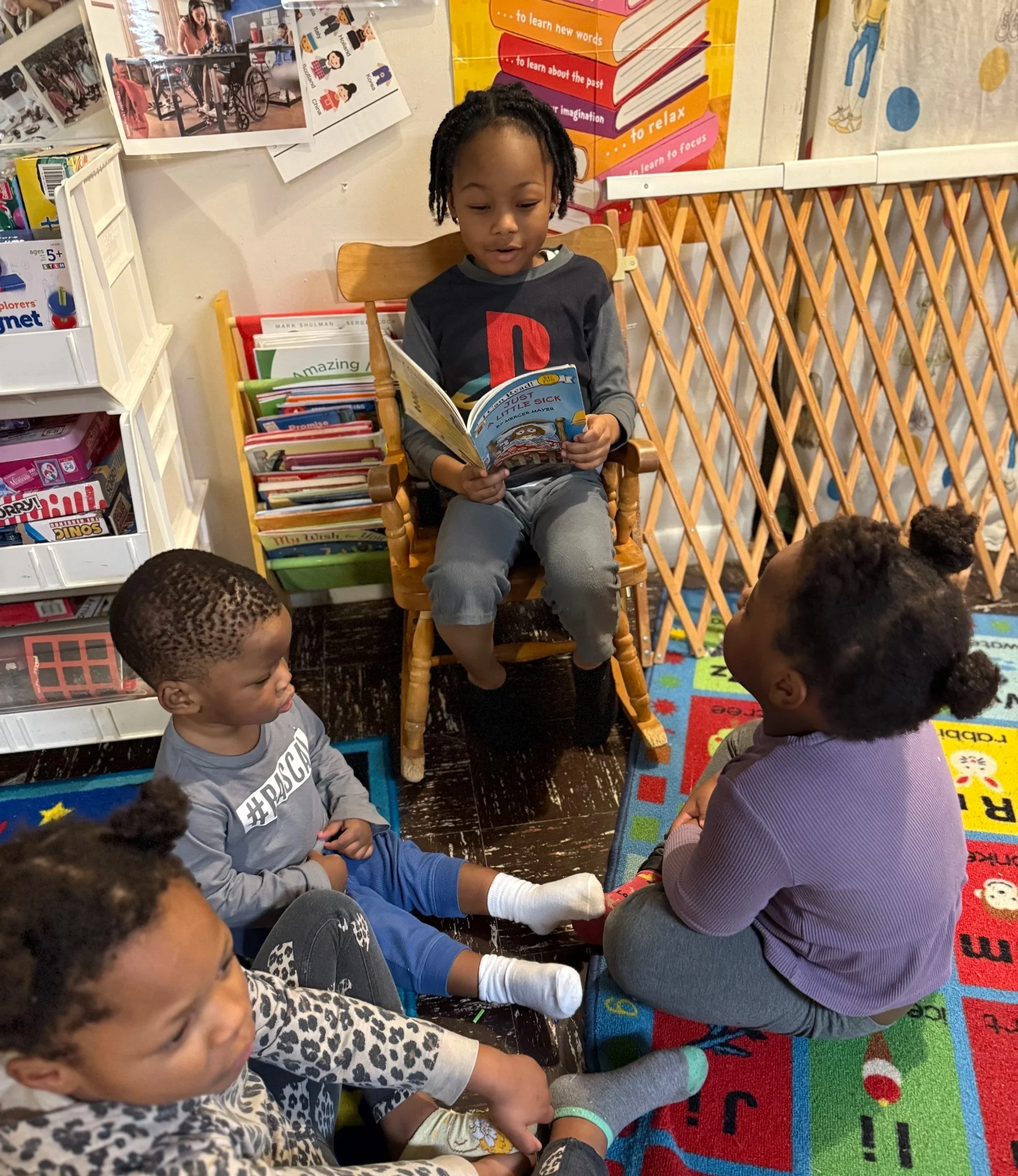

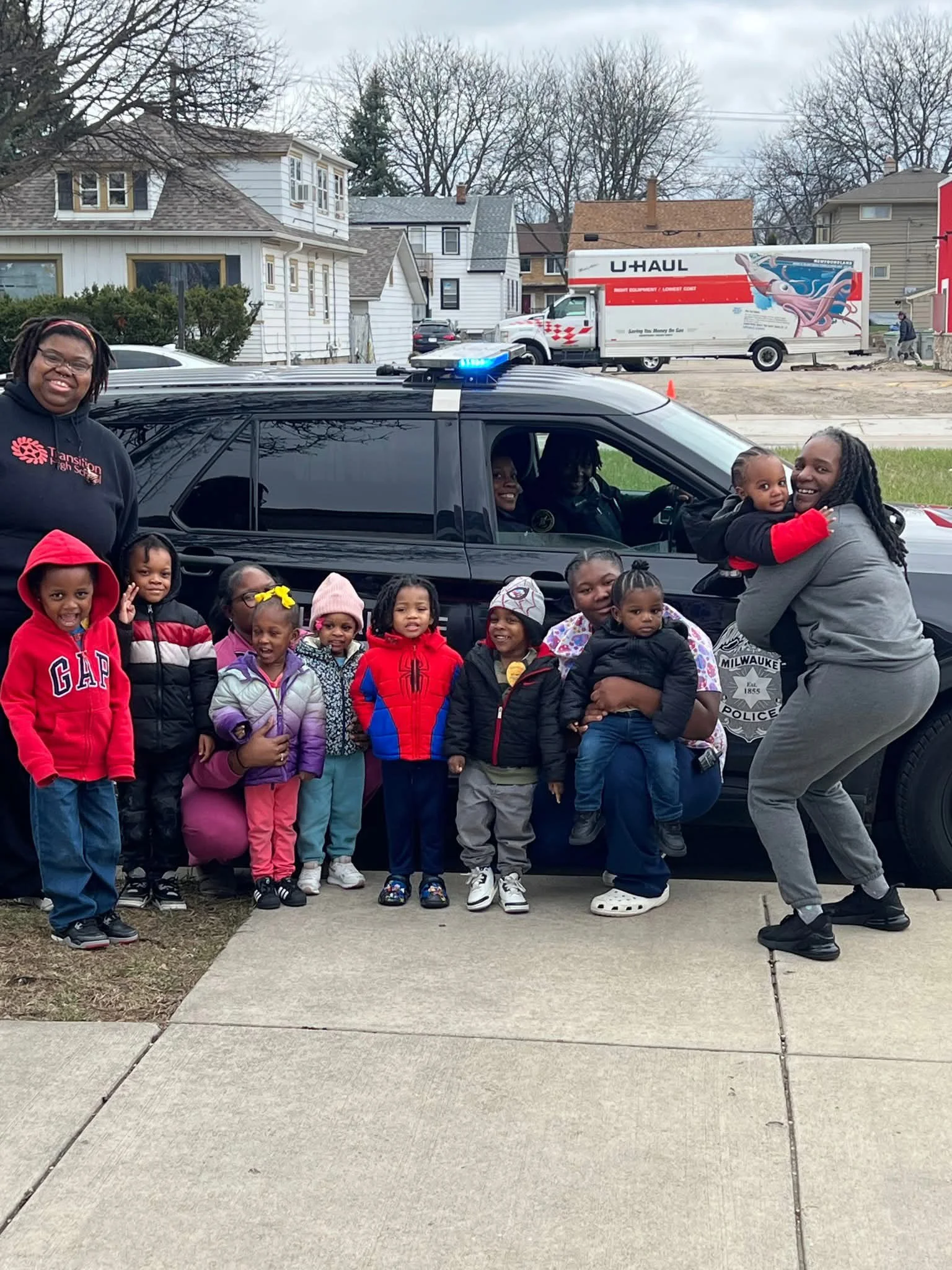
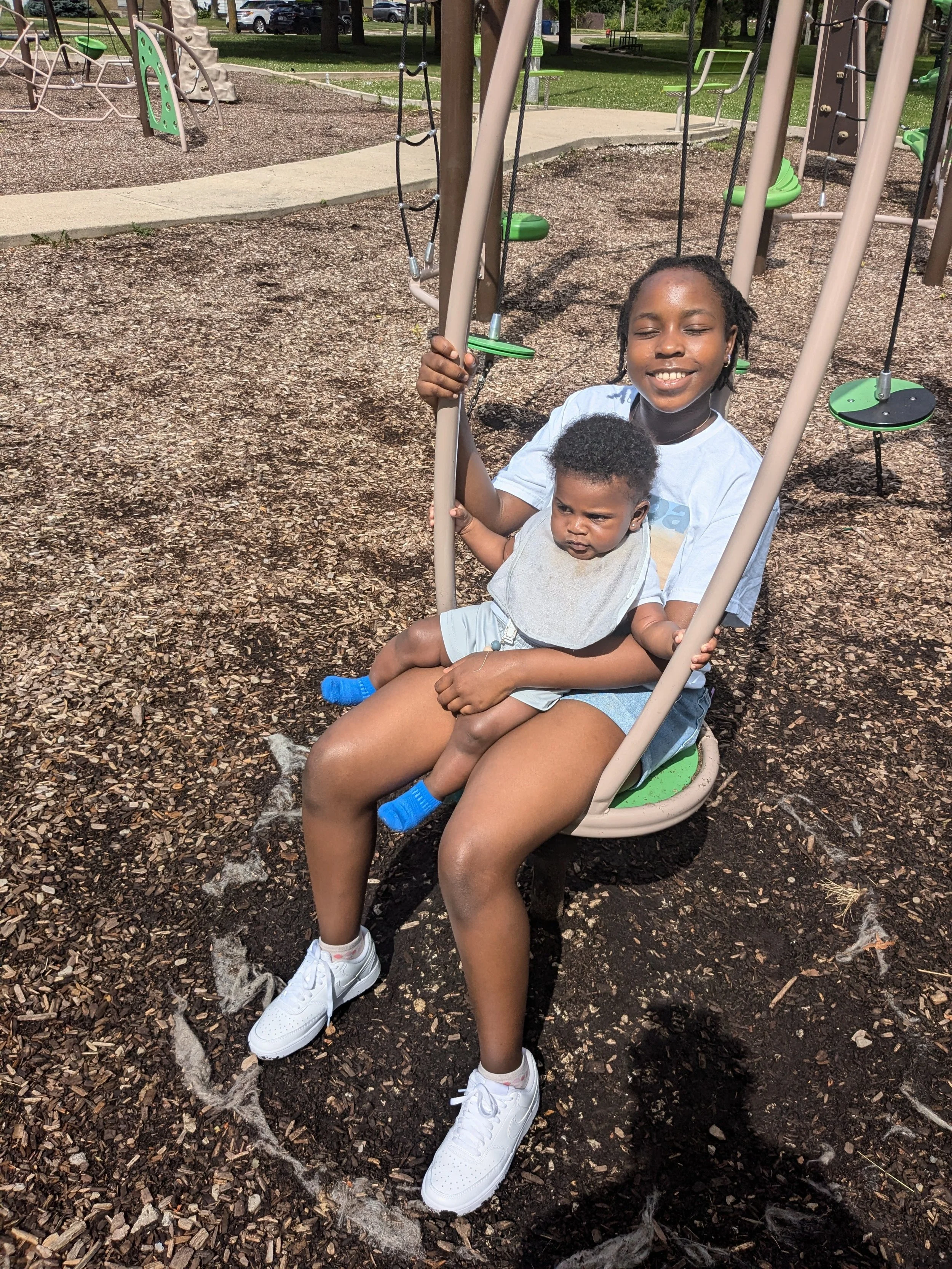
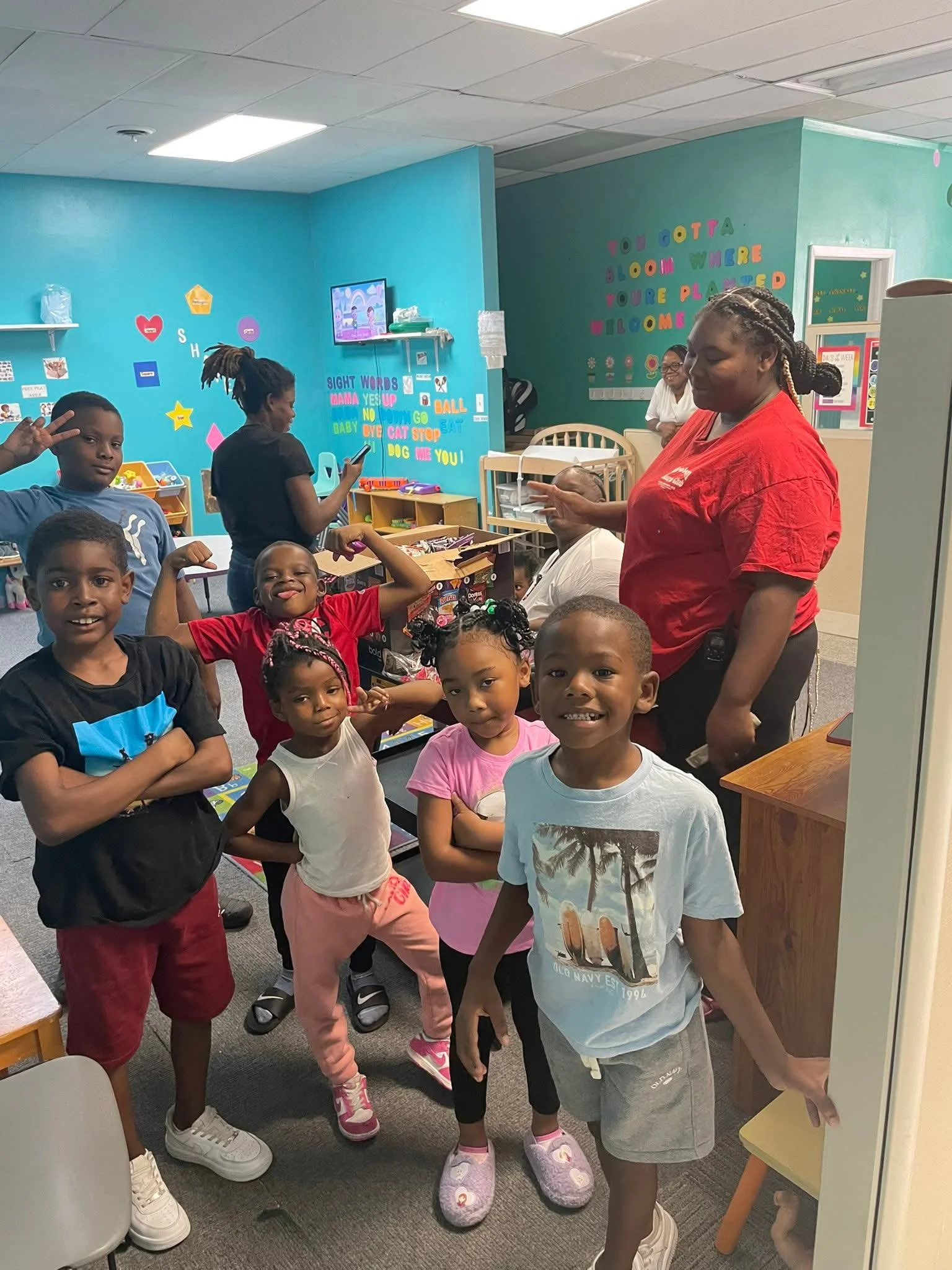
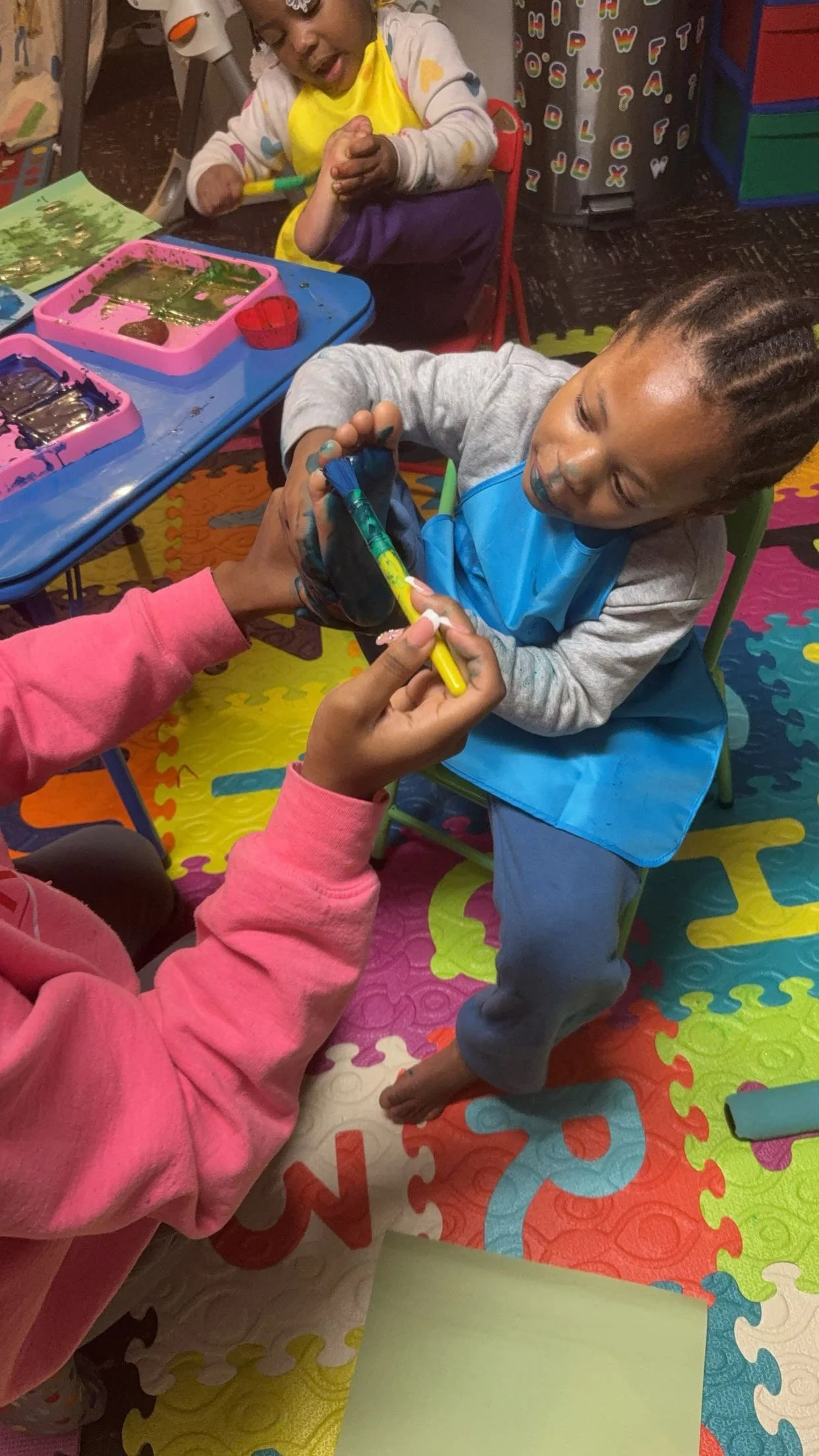
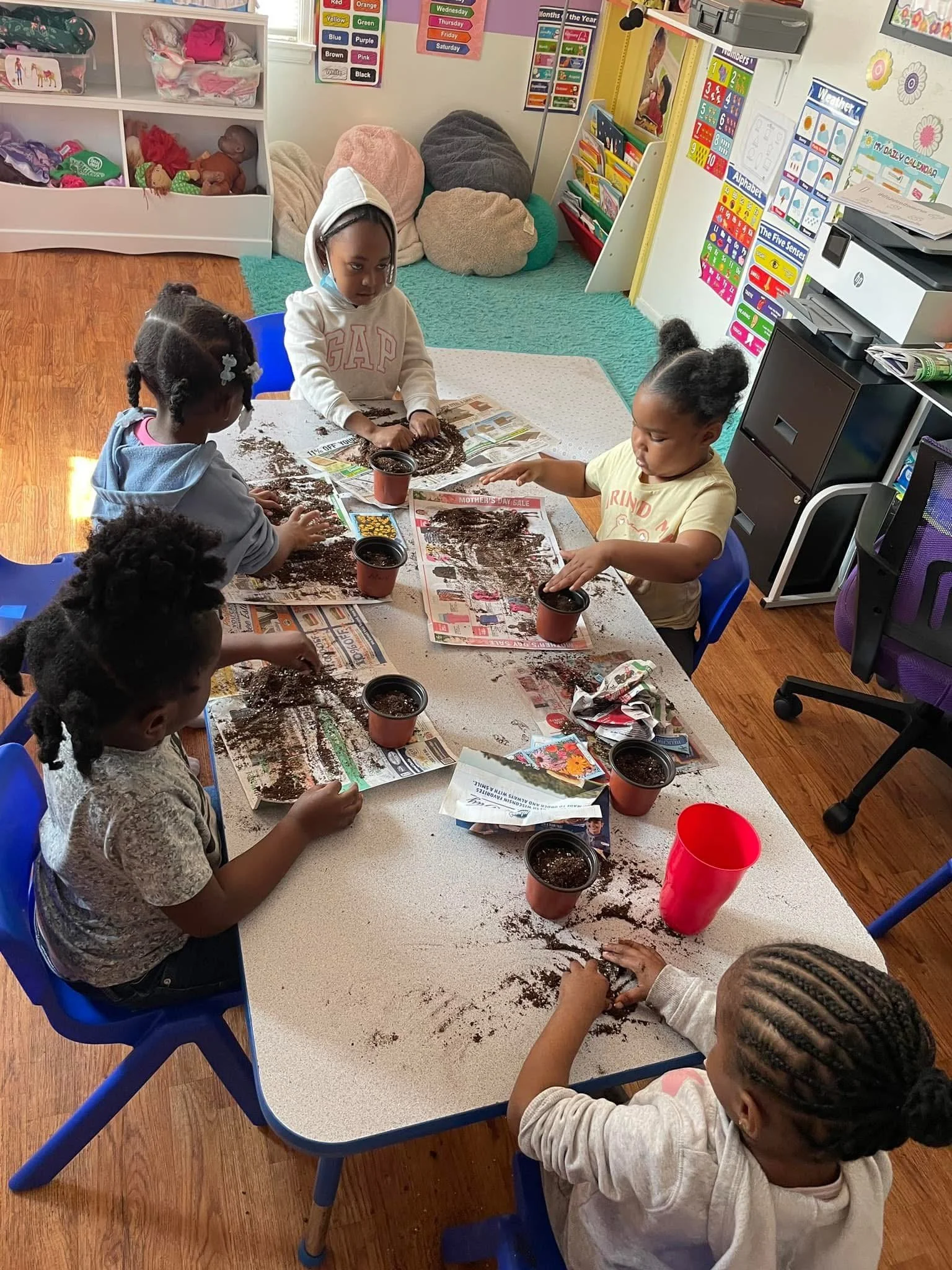
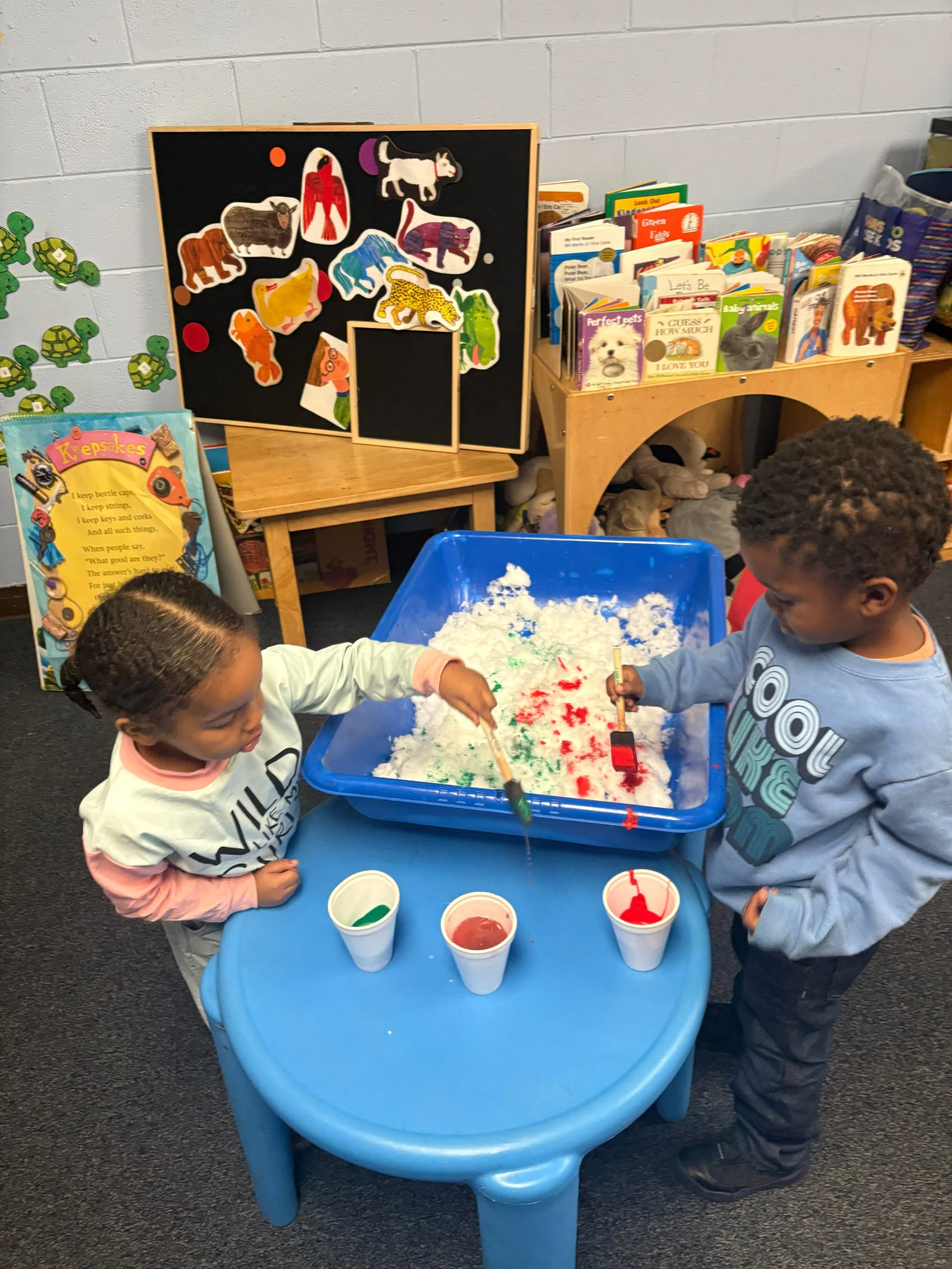
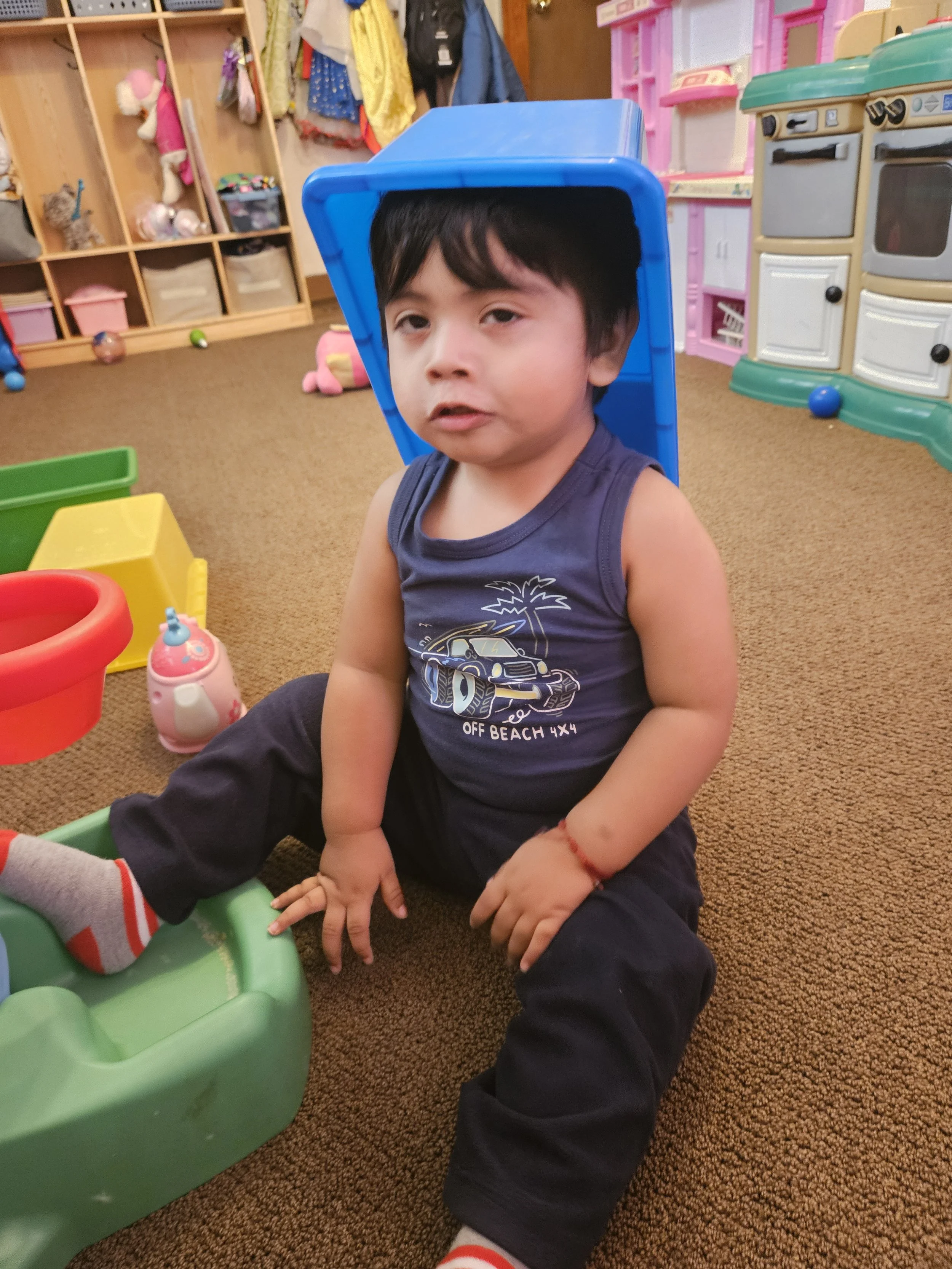
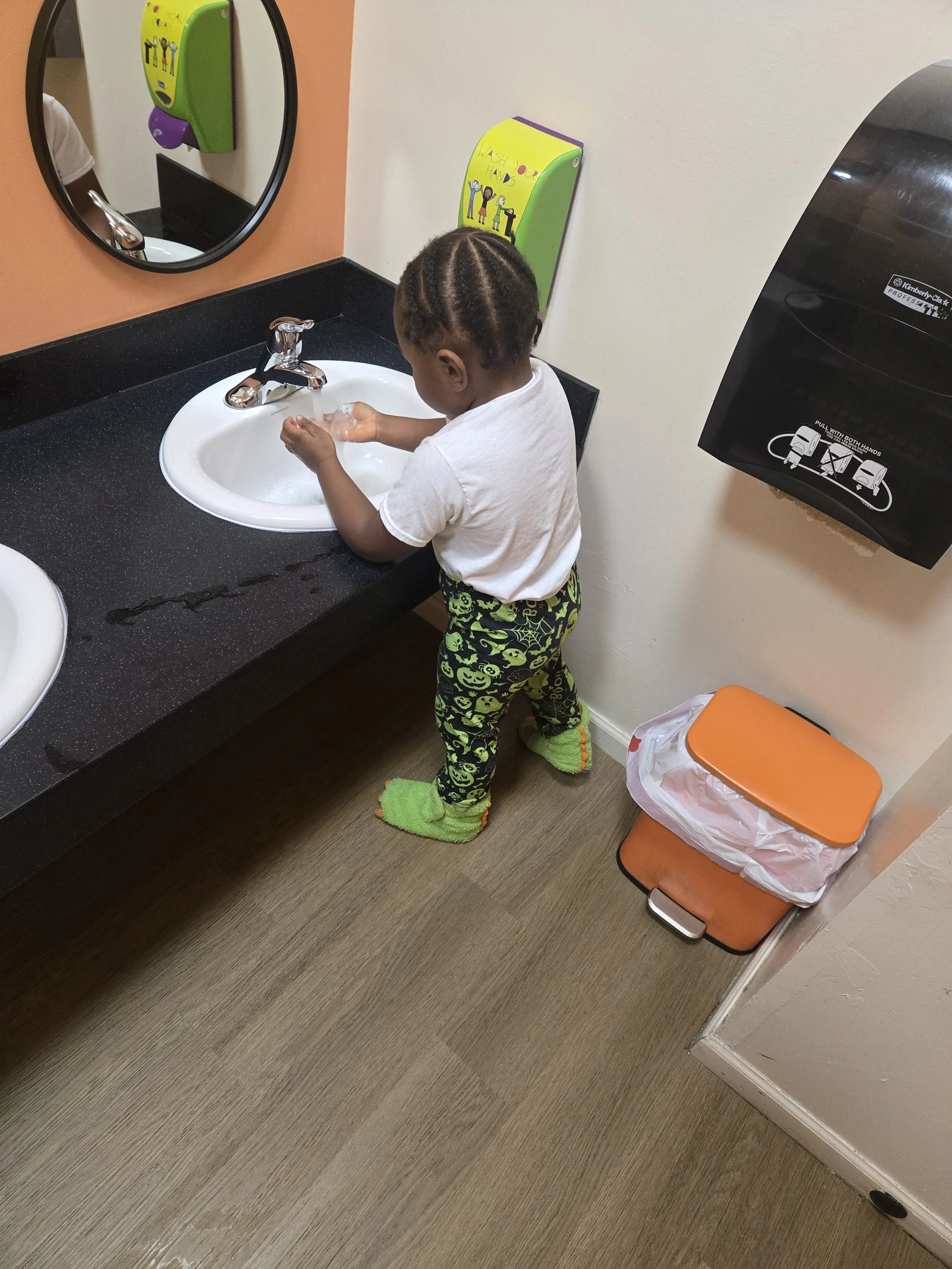

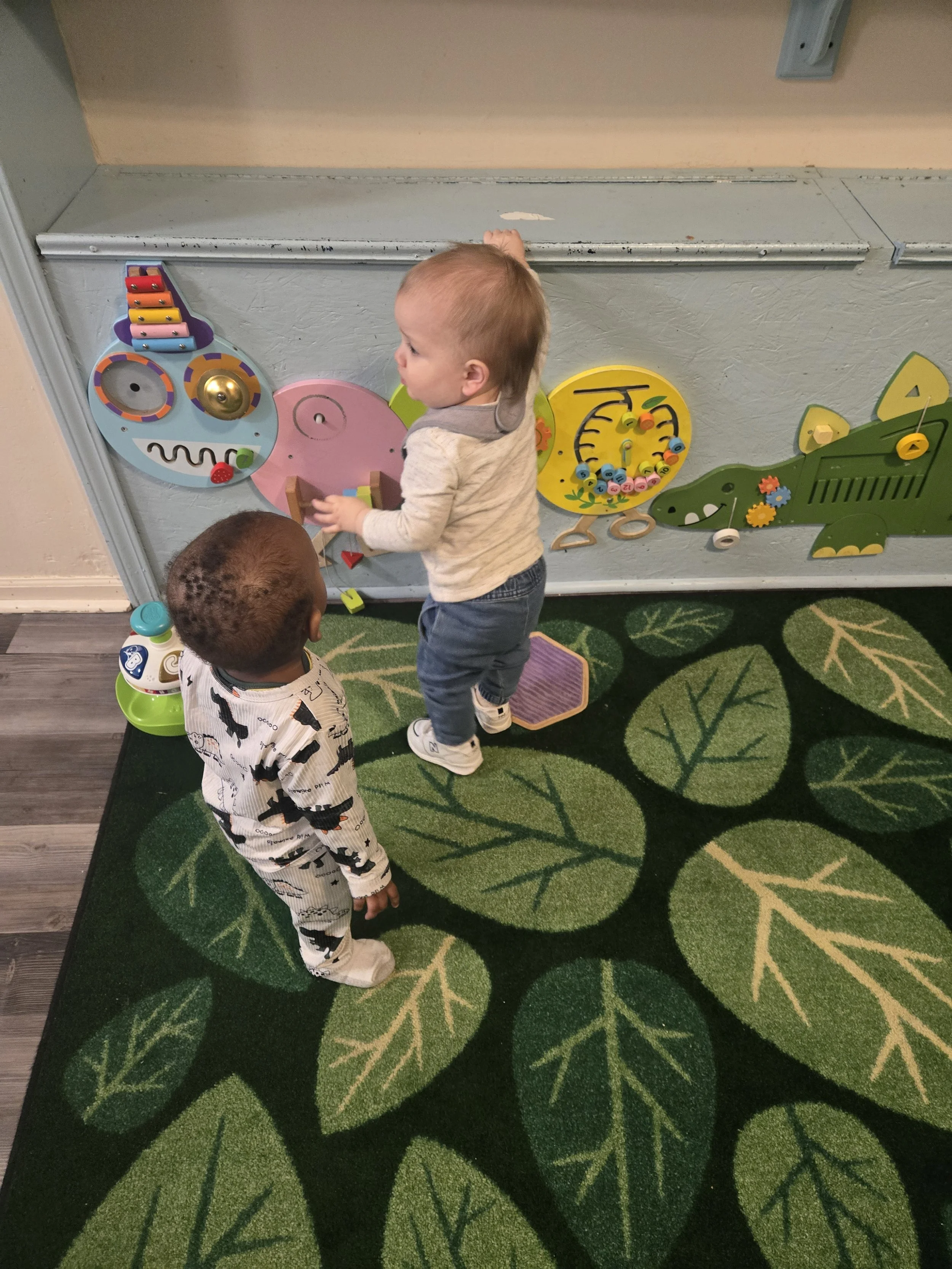


A child tracing letters on a sheet of paper. A young boy reading aloud to his classmates. A child bundled up and smiling in the snow. To many people, these might look like ordinary moments. But to Milwaukee's early childhood educators, they tell a much bigger story.
Through the Stability Project's PhotoVoice component, educators used photographs and personal reflections to document the work that often goes unseen – and to share what they want decision-makers and the public to better understand about early childhood education (ECE). Together, their stories paint a powerful picture of the day-to-day life of early educators – and the critical role they play in supporting children, families and communities.
Looking Beyond the Numbers
The Stability Project was created to help us better understand the hidden instability within Milwaukee's ECE sector. By combining data, focus groups and PhotoVoice, the project seeks to provide a more comprehensive picture of the challenges facing providers and the importance of building a stronger ECE sector.
While the project's three new data metrics – churn, stability and closure – reveal the trends and how they compare to the rest of the state, they only tell part of the story.
To add depth and context to this data, Milwaukee Succeeds used PhotoVoice, a powerful participatory research method that engages participants as co-researchers. Through photographs, reflection and discussions, early educators captured the moments, challenges and experiences that define their work, helping answer an important question: What do early educators want Milwaukee to understand about their work?
"We've been wanting to use PhotoVoice for a while, and this project felt like a natural fit,” shared Samantha Reynoso, Milwaukee Succeeds’ research and evaluation manager. “It aligns with our commitment to centering community voice and gave us the opportunity to engage early educators as compensated co-researchers. They decided what was important to capture, what those photographs meant and what they wanted others to understand about their work. It's not work we could have done on our own as researchers because we don't have those lived experiences.”
The photographs and stories shared by these local educators help bring the data to life, revealing the experiences, relationships and daily realities that numbers alone can’t capture.
Child Care Is Education
One of the strongest themes to emerge from the project was that ECE is often misunderstood. Educators consistently stressed that what they do is far more than merely babysitting.
Every day, the children in their care are learning how to think, solve problems, connect with others and understand the world around them. Each activity and lesson is carefully curated to spark the imagination and give our youngest learners a solid foundation on which to build.
As one Milwaukee early educator shared, even something as small as a worksheet may actually be a rich learning experience: “For someone that may not be in ECE, it may just look like numbers and that’s exactly what it is. But really…these are trace pages that we constantly work on to improve and to learn how to write. This is the early part of them learning how to write. They’re learning, like literally learning.”
Many of the photographs submitted by participants highlighted everyday moments just like this – ordinary from the outside but critical to a child’s development. Across every story and snapshot, the message was clear: ECE is education.
Beyond the Classroom
The reflections these educators shared made another thing abundantly clear: Their impact extends far beyond the classroom. Every day, they guide children through challenges, support working families and create safe, nurturing environments where young learners can grow.
Sometimes that support looks as simple as making sure a child has what they need to stay warm. As one educator shared, “I really do try to make sure they're bundled up and prepared for the weather. Some of them don't come with a hat, scarf and gloves, so I do keep extra on hand to take home – and they can even keep them at home.”
While these acts may never appear in a lesson plan, they leave a lasting impression. They show that for many children and families, early educators aren’t simply teachers – they are a steady, trusted presence during some of life's most important years.
Relationships Matter
At the heart of many of these images is something else that often goes unseen: the planning, preparation and relationship-building that shape children's everyday experiences. Every lesson, routine and interaction is an opportunity to help children build confidence, develop new skills and strengthen connections with the people around them.
As one educator explained, that intentionality is a constant part of the job: “What will our next activity be? What do I need to do that activity? Is it something I need to change in the lesson plan? Is there some training out that I could look for that would help benefit me as I have this time?”
And while their work is rooted in everyday moments, it has an enduring impact. It helps equip children with the academic, social and emotional foundations they need to succeed in school and beyond.
“Some of the kids that we had pictures of when they were younger, and they're like 18, 19, 23, coming back. And it's a joy for us to see the kids grown up. ‘Well, what are you doing now?’ ‘Well, I'm going to school for this, this, this.’ And they'll bring back memories to you and that's where it's like I did my job,” one educator reflected.
Moments like these reflect the lengthy arc of ECE – where the everyday work of teaching, caring and guiding helps shape who children become long after they leave the classroom.
Why This Matters
The photographs and stories shared through this project capture a side of ECE that is often overlooked. Early educators are not only caring for children – they’re fostering learning, supporting families, building relationships and helping children develop the skills they need to thrive.
"I hope people walk away with a deeper appreciation for the value of early childhood educators and the work they do every day,” said Samantha. “So much of that work is essential but often invisible. ECE is foundational education. It’s the workforce behind our workforce, and a critical support for families and communities.”
Just as importantly, these reflections remind us that behind every data point are real people doing complex, meaningful work. At its core, ECE is both deeply human and deeply intentional.
As we continue working to strengthen our ECE system, these stories will help ensure that the voices of our educators remain at the center of the conversation.
Milwaukee Succeeds would like to thank Dr. Lindsey Harness of Ethos Insight LLC for her partnership and support throughout the PhotoVoice process.